The Legend of "Yai Kala and Ta Kali": From Primordial Creators to "Sovereigns of the Thai Underworld"
When we envision a mortician carrying a corpse into a desolate graveyard, the first things that spring to mind are fright and mortality. However, in the realm of Thai folklore and ancient beliefs, there exists a pair of underworld gatekeepers who watch over the cemeteries from their shrines: "Yai Kala and Ta Kali" (Grandmother Kala and Grandfather Kali). These two elderly spirits possess a grand and mysterious origin that goes far beyond simple ghost stories designed to terrify.
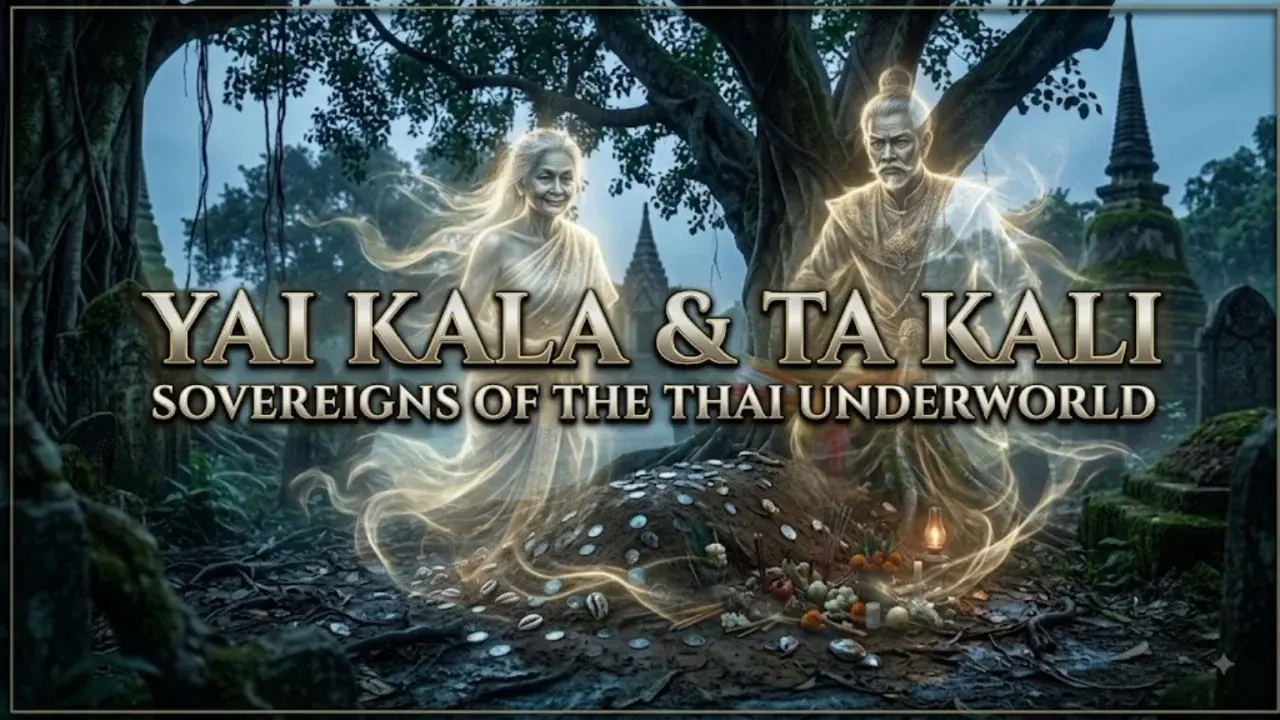
From Primordial Creators to "Sovereigns of the Cemetery"
In the indigenous animist beliefs of the Tai-speaking peoples—long before Buddhism and Brahmanism took root in the Golden Peninsula (Suvarnabhumi)—"Yai Kala and Ta Kali" were not merely wandering ghosts. They were venerated as "ancestor spirits of creation". According to legend, they were the primordial creators who sculpted the very first human couple from raw clay, a myth that closely mirrors other ancient Southeast Asian animist traditions, such as the worship of "Nat" in Myanmar. However, as Buddhism and Hinduism became deeply integrated into the daily life of the region, the ancient belief in the creator spirits was gradually marginalized. Their grand status was diminished, and the two elderly creators eventually evolved into "Nai Pa-Cha" (Sovereigns of the Cemetery)—venerated guardian spirits who oversee, manage, and maintain order among the countless wandering souls in the graveyard, preventing them from causing trouble in the human realm.
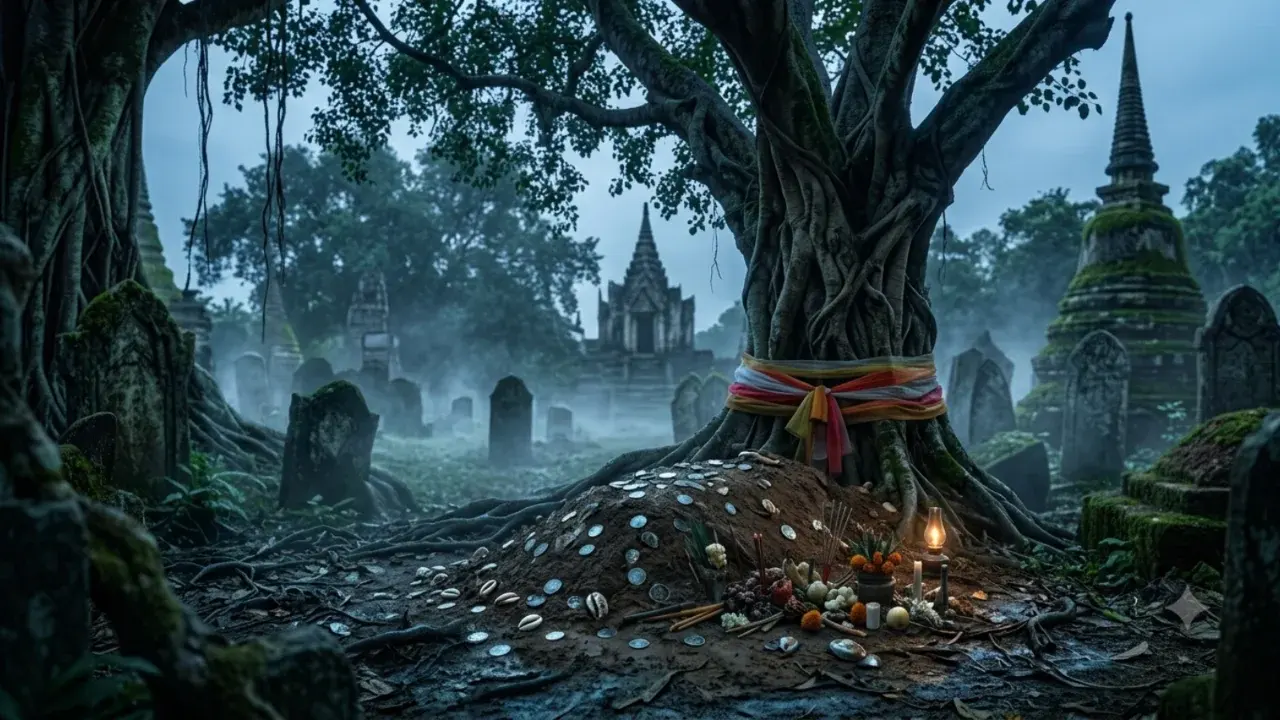
Regional Names Across Tai Ethnic Groups
While the core essence of these creator and guardian spirits remains the same, different regions and Tai ethnic groups refer to them by various names based on local dialects:
-
The Tai Lue and Isan (Northeastern Thai): They are popularly known as "Pu Sangkasa and Ya Sangkasi" (Grandfather Sangkasa and Grandmother Sangkasi).
-
The Thai Yuan (Northern Thai of Chiang Mai): They are called "Pu Sangsa and Ya Sangsai" or "Pu Songsi and Ya Songsai".
-
The Tai Khun (Kengtung): They connect these spirits to the heavenly god Phaya Thaen, referring to them as "Pu Sangkasi and Ya Sangkasai" or "Pu Thaen and Ya Thaen".
The Symbolic Land of "Three Wa and Two Sok" (Sam Wa Song Sok)
A funeral ritual familiar to many Thai people involves family members or the undertaker tossing silver coins into the coffin or grave while reciting: "Yai Kala and Ta Kali, I beg to purchase three Wa and two Sok of land". This cultural act is a formal negotiation to purchase a plot of land in the spirit world from the elderly couple who own all the soil in the cemetery. It serves to clear the path for the deceased to rest eternally in peace and safety. Furthermore, this ritual is the origin of the common ancient Thai idiom "Pai Nai Ma, Sam Wa Song Sok" (literally: "Where have you been? Three Wa and two Sok"), which directly stems from the physical dimensions of a human grave.
Witchcraft, Sorcery, and the Fear of the "Nai Pa-Cha"
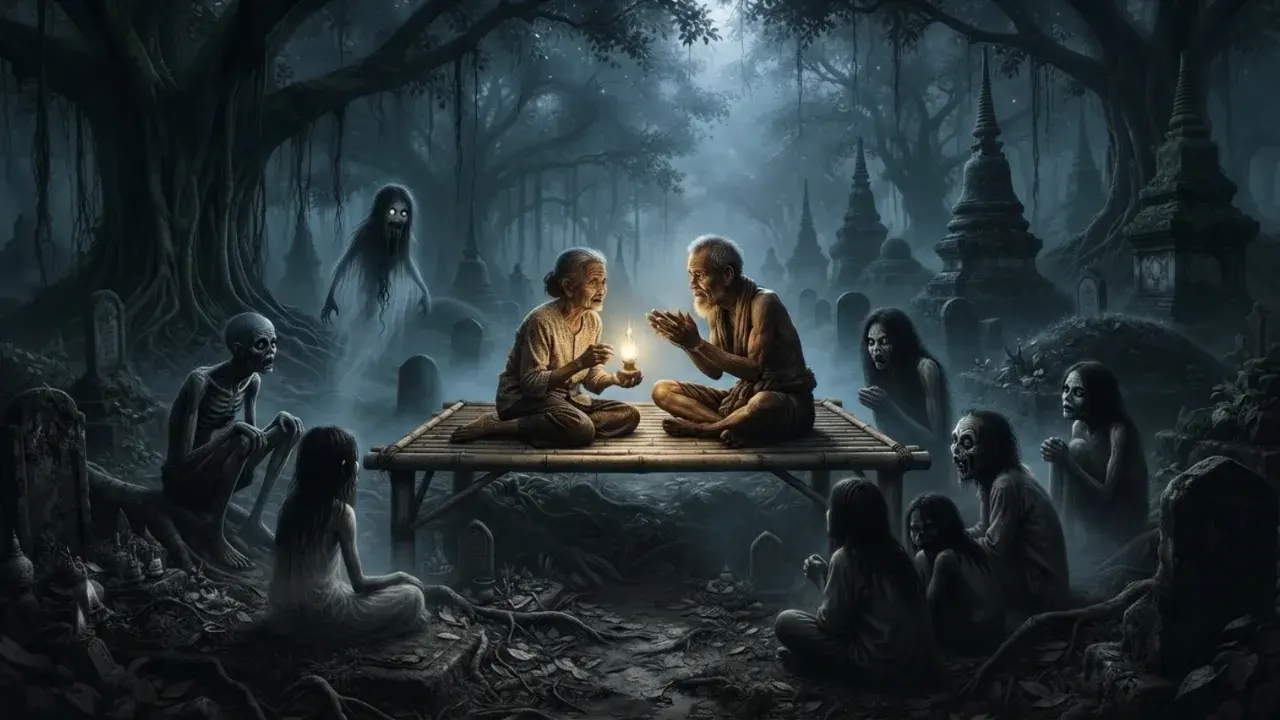
In traditional Thai witchcraft and ancient mortuary practices, Yai Kala and Ta Kali are revered as the most powerful and influential spirits within the graveyard. Before an undertaker, sorcerer, or powerful witch doctor ("Mho Phi") can perform any occult ritual in the cemetery—such as digging up a corpse to extract body oils for love potions ("Namman Phrai") or conducting a cemetery-cleaning ceremony—they must always perform a propitiatory ritual to ask for permission from the elderly couple first. If the spirits do not grant permission, or if the sorcerer prepares the wrong offerings, the ritual cannot proceed. Anyone foolish enough to defy their authority or trespass without permission will face severe, life-threatening curses and sudden ruin. For this reason, traditional Thai undertakers strictly pass down their incantations and defensive spells through oral tradition from generation to generation, ensuring that utmost respect is always paid to Yai Kala and Ta Kali.
Syncretism with Brahmanism, Buddhism, and the Ultimate Truth of Life
The ancient Thai belief in Yai Kala and Ta Kali has also merged with Brahman-Hindu cosmology over the centuries. This is evident in the worship of "Phra Kal" (Phra Kalachai Si), the deity who conquers inauspiciousness, who was traditionally worshipped alongside his consort "Phra Kuli" (Kali). Over time, the pronunciation of "Kuli" shifted to "Kli" and was eventually assimilated with local Thai animist beliefs as "Ta Kala and Yai Kali," the dual guardians of the cemetery. Ultimately, the legend of Yai Kala and Ta Kali does more than just conjure up spooky images to terrify listeners in the dark. In terms of folklore, this belief serves as a structural framework for social order. It acts as a powerful psychological tool to remind humans of the "Law of Karma"—emphasizing that no matter how powerful, wealthy, or highly esteemed a person is in the living world, they must eventually abandon all greed and worldly desires, returning to the absolute simplicity of the earth under the "Three Wa and Two Sok" land of the elderly guardians.
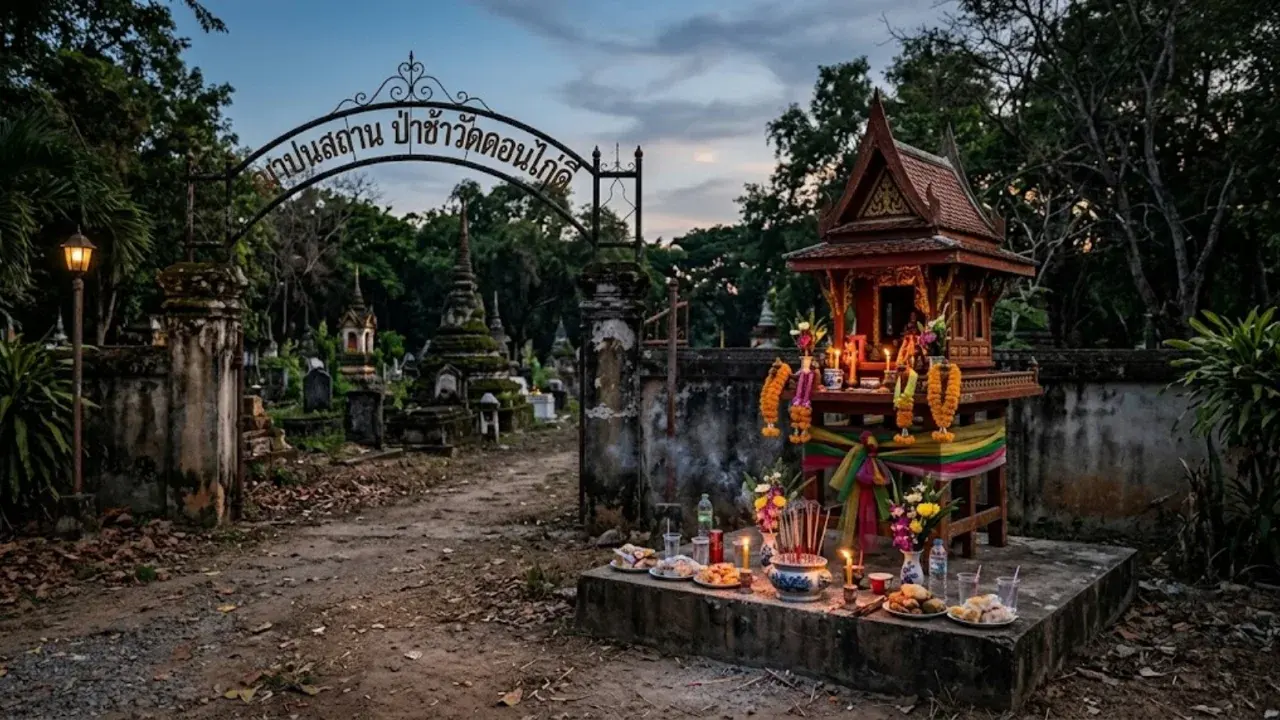
SOURCES USED:
- บทความ BT Beartai: ยายกะลา ตากะลี: ฟื้นตำนานซีรีส์เขย่าขวัญหลังละคร โดย ธนพล น้อยชูชื่น
- กระทู้ประวัติศาสตร์ Postjung: ตำนาน "นายป่าช้า" : "ยายกะลา ตากะลี" โดย ดร กิฟท์นางมารพยากรณ์
- บทความมานุษยวิทยา Postjung: เบื้องหลังพื้นที่สามวาสองศอก: เจาะลึกตำนาน "ยายกะลา ตากะลี" ระบบจัดการโลกหลังความตายในสังคมไทยดั้งเดิม โดย แด๊ดดี้จอแดน โค้ดชีวิตพลิกชะตา
- บทความข่าว Tnews: เปิดตำนาน!!นายป่าช้า.."ยายกะลา ตากะลี" ผีเจ้าที่เจ้าทาง เป็นที่ยำเกรงของเหล่าหมอผี.
- วิทยานิพนธ์ทางพุทธศาสนา: สัปเหร่อ การสืบสานคติ ความเชื่อและพิธีกรรมงานศพในเขตเทศบาล ตำบลบ่อแฮ้ว อำเภอเมืองลำปางฯ โดย พระมหานฤดล มหาปญฺโญ (จวนตัว) ซึ่งถูกนำมาสรุปอ้างอิงในบทความข่าวของ Thai PBS / LINE TODAY
- เอกสารวิจัย PDF: บทที่ ๕ ความเชื่อเรื่องกรรมและการเกิดใหม่กับสำนึกเกี่ยวกับชีวิตและความเป็นธรรม จาก Buddhism in Thai (ซึ่งยกบทประพันธ์จากวรรณคดีเรื่อง ลิลิตพระลอ มาวิเคราะห์เปรียบเทียบในแง่ของกฎแห่งกรรม)
(This article is compiled based on academic folklore and traditional Thai beliefs, utilizing deep insights from anthropological and historical research.)
#ThaiFolklore #ThaiMythology #YaiKalaAndTaKali #AncientBeliefs #ThaiCulture #Animism #SoutheastAsianFolklore #UnderworldGuardians #MythologyAndFolklore #SpiritualCulture #FolkloreStudies #ThaiGhostsAndSpirits #CulturalAnthropology

เขียนโดย ดร กิฟท์นางมารพยากรณ์
เพื่อให้ผู้อ่านได้รับทั้งความรู้ แรงบันดาลใจ และแนวทางการใช้ชีวิตที่เท่าทันโลก
 อาจารย์หนู งวด 1 พ.ย. 2569 เปิดเลขเด่น 1-8 และ 0-5 พร้อมเลขมงคล 1 ชุด 2 ตัว 3 ตัว และเลขมงคล 0 ครบ 9 ชุด
 บอล ซุปเปอร์บอล งวด 1 พ.ย. 69 เปิดชุดเลข 3 ตัว เลขเด่น 2 ตัว เลขรอง 2 ตัว พร้อมเลขวิ่ง 26
 หน้าจอรับนิ้วแต่ไม่รับถุงมือผ้าทั่วไป เพราะตรวจจับอะไรอยู่?
 รู้จัก 5 สถาบันในไทยที่เปิดสอนวิศวกรรมศาสตร์ พร้อมจุดเด่นแต่ละแห่ง
 วิเคราะห์เจาะลึก 10 อันดับเลขขายดี วันที่ 1 พฤศจิกายน 2569 เทียบชัด 3 สำนัก
 วงบนตอไม้หนึ่งวง เท่ากับหนึ่งปีทุกต้นไหม?
 เลขปิงปอง เด็กชายนำโชค วันที่ 1 พฤศจิกายน 2569
 6 เคล็ดลับดับกลิ่นห้องน้ำ ใช้ของใกล้ตัว แก้ปัญหาที่ต้นเหตุ ไม่ต้องซื้อผลิตภัณฑ์แพง
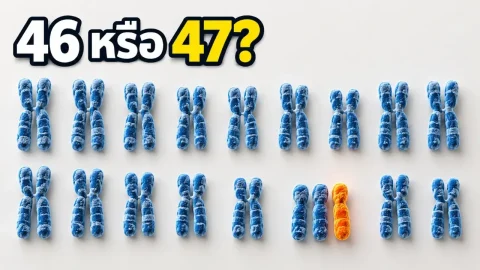 คนทั่วไปมี 46 โครโมโซม แล้วดาวน์ซินโดรมมี 47 ทุกคนไหม?
 ทักษาโหรธานี อ.ออร่า โหรธานี งวด 1 พ.ย. 69 เลขเด่น 1940 จับคู่ 2 ตัว แตกเลข 3 ตัวจากตาราง 6 เลข
 เลข AI งวด 1 พฤศจิกายน 2569 วิเคราะห์สถิติย้อนหลัง 10 ปี เปิดเลขท้าย 2 ตัว เลขหน้า 3 ตัว เลขท้าย 3 ตัว
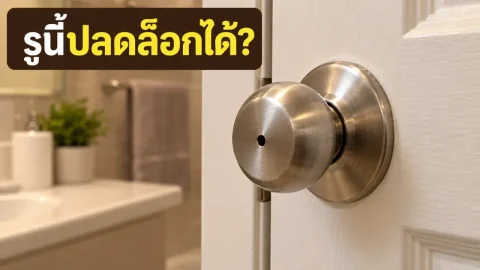 รูเล็กบนลูกบิดประตูห้องน้ำ เปิดได้เมื่อไร?
 พระพุทธเจ้าตอบชาวนาด้วยภาพการไถนาหน้าจอรับนิ้วแต่ไม่รับถุงมือผ้าทั่วไป เพราะตรวจจับอะไรอยู่?
 เปิด 5 โรงเรียนวิชาชีพเฉพาะทางในไทย ที่คนส่วนใหญ่อาจไม่เคยรู้ว่ามีอยู่คนทั่วไปมี 46 โครโมโซม แล้วดาวน์ซินโดรมมี 47 ทุกคนไหม?วงบนตอไม้หนึ่งวง เท่ากับหนึ่งปีทุกต้นไหม?รูเล็กบนลูกบิดประตูห้องน้ำ เปิดได้เมื่อไร?
 กระทรวงเวทมนต์ การพยากรณ์ และการป้องกันภัยจากศาสตร์มืด
 ถอดหน้ากากเสน่ห์คาสโนว่าและคาสโนวี่: ชำแหละกลไกเกมรักผ่านโหราศาสตร์เชิงจิตวิทยาและพลังงานธาตุ
 ประวัติศาสตร์อบเชย เรื่องราวของเครื่องเทศล้ำค่าที่เคยถูกเผาทิ้งเพื่อรักษาตลาด
 วิถีแห่งความเคารพและการจัดการก้านธูปตามธรรมเนียมจีนและเต๋า
 เปิดโลกความฝันของ “คนตาบอด” ฝันเห็นภาพและสีสันหรือไม่? ไขข้อข้องใจผ่านมุมมองวิทยาศาสตร์