Understanding Balloon Angioplasty: A Comprehensive Guide
เขียนโดย tothemoon555
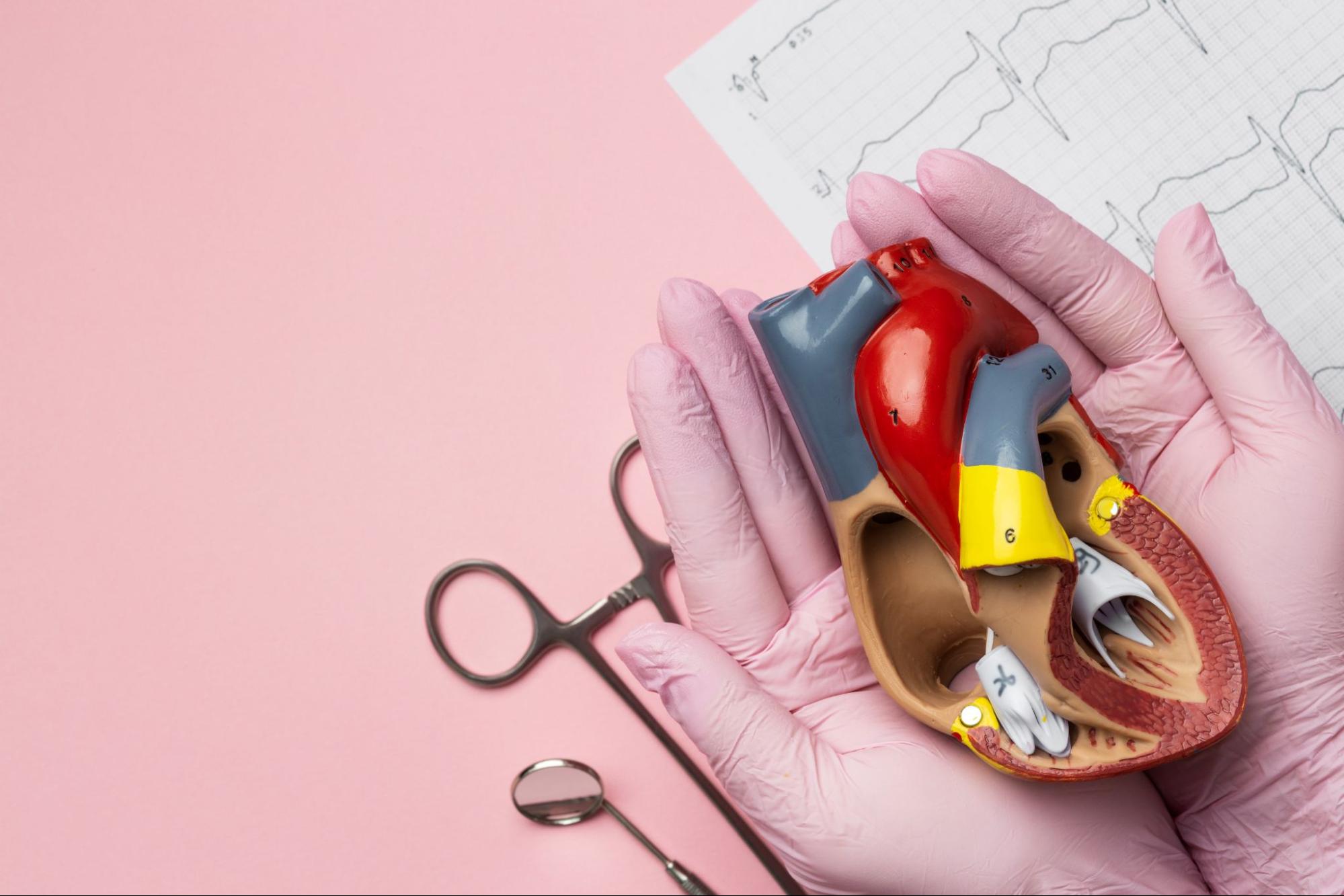
Explore balloon angioplasty, a minimally invasive procedure to restore blood flow, covering its applications, techniques, and recovery process.
Blocked arteries can disrupt blood flow, causing serious heart problems. Balloon angioplasty is a minimally invasive procedure that widens narrowed arteries, restoring circulation and relieving symptoms like chest pain. With modern techniques, recovery is faster, helping patients return to daily life sooner. In this article, we explore its applications, techniques, and benefits to understand how this procedure can improve heart health and quality of life.
What is Balloon Angioplasty?
Balloon angioplasty is a medical procedure designed to treat arterial blockages that impede blood flow, particularly in coronary arteries. The procedure is minimally invasive, relying on a specially designed catheter with a small balloon at its tip, which is guided through the vascular system to the site of the blockage. Once in position, the balloon is inflated, widening the arterial opening and thus enhancing blood flow to the heart. In many instances, a stent is placed to maintain the artery's opening after the balloon is deflated.
The significance of balloon angioplasty lies in its effectiveness and reduced recovery time compared to traditional surgery. It primarily finds application in treating conditions such as coronary artery disease, benefitting patients who may not be candidates for open-heart surgery due to high risk. This procedure continues to evolve, employing drug-eluting stents that further improve outcomes by preventing restenosis.
The Procedure Explained
The balloon angioplasty procedure follows a series of precise steps to ensure safety and efficacy. Firstly, the patient receives local anesthesia to minimize discomfort. Access to the artery is typically achieved through an incision in the groin or wrist. A catheter is then carefully inserted to the blockage site.
Once positioned, the balloon is inflated, compressing the plaque against arterial walls to increase blood flow drastically. In most cases, a stent is also employed to keep the artery open. Post-procedure, the balloon is deflated, and the catheter is removed; minimal bandaging is usually sufficient for closure.
Uses and Indications
Balloon angioplasty addresses various conditions involving arterial blockages, enhancing patient outcomes significantly. Predominantly, it treats coronary artery disease, providing relief from classic symptoms such as chest pain by restoring adequate blood flow.
Additionally, balloon angioplasty is valuable in peripheral arterial disease, improving circulation in areas like the legs or arms, thus alleviating claudication. Carotid artery stenosis is another condition where this procedure can reduce stroke risk by widening narrowed arteries in the neck.
Overall, balloon angioplasty represents a critical intervention for numerous vascular conditions, highlighting its essential role in modern cardiology.
Techniques and Approach
Balloon angioplasty is a medical procedure designed to open narrowed or blocked blood vessels, often in coronary arteries. Several techniques are employed during this procedure:
- Catheter Insertion: A specialized catheter is maneuvered through the artery to the site of obstruction.
- Balloon Inflation: The balloon at the catheter’s tip is inflated at the blockage, widening the artery.
- Stent Placement: Frequently, a stent is positioned to sustain artery openness post-inflation.
Advancements in balloon angioplasty include:
- Drug-Eluting Stents: Coated with medication, these stents help prevent re-blockage.
- Advanced Imaging Techniques: Enhanced imaging methods like fluoroscopy allow for precise navigation during the procedure.
- Improved Balloon Design: Current balloons allow for more controlled inflation, enhancing safety and efficacy.
- Smaller Catheters: Innovations in catheter design facilitate navigation through narrower arteries.
These improvements have contributed to more effective and safer balloon angioplasty procedures, significantly impacting patient outcomes.
Pre-procedural Preparation
Before undergoing the angioplasty procedure, comprehensive assessments and preparations are essential.
- Medical Evaluation: A patient's medical history is thoroughly reviewed, examining risk factors like diabetes and hypertension.
- Diagnostic Tests: Tests such as CT scans and blood checks assess suitability for angioplasty.
- Medications: Patients might be prescribed medications to minimize infection risks and protect kidney function.
- Patient Education: Patients receive detailed explanations regarding the procedure's steps, risks, and recovery expectations.
- Informed Consent: Ensuring patients understand the procedure, its risks, and benefits is critical prior to proceeding.
These steps ensure patients are ready and informed about the angioplasty process.
Post-procedural Care and Recovery
Post-balloon angioplasty, the recovery timeline includes monitoring for complications initially, often requiring a hospital stay of several hours. After 24 to 48 hours, most patients experience symptom relief. Regular follow-ups are crucial for monitoring treated arteries.
Recovery Tips:
- Follow medical advice strictly.
- Avoid strenuous activities until given permission.
- Monitor for any concerning symptoms and maintain a heart-healthy lifestyle.
Proper recovery aids in sustaining the benefits of balloon angioplasty.
Risks and Complications of Balloon Angioplasty
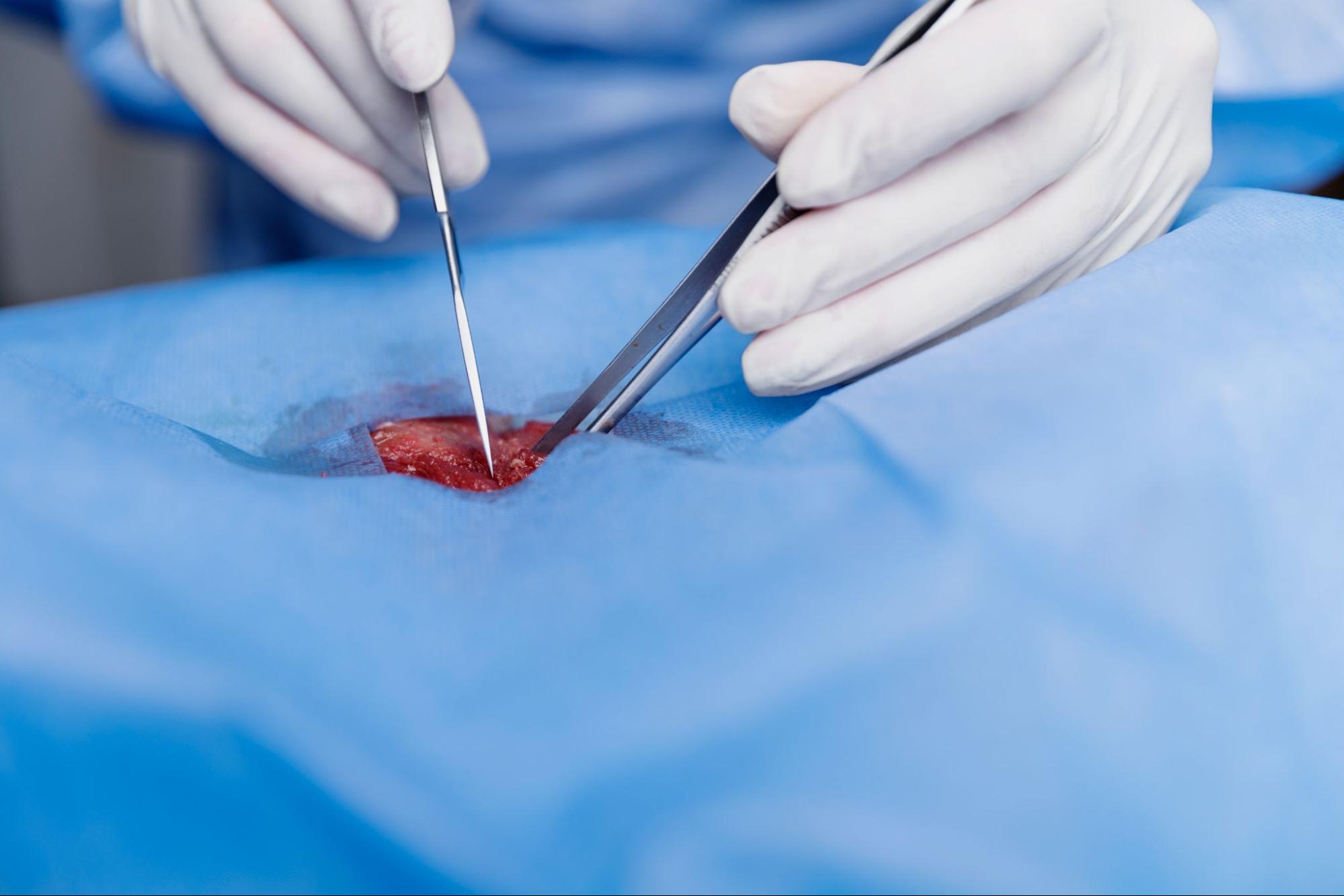
While balloon angioplasty is generally considered a safe and effective procedure for restoring blood flow in narrowed arteries, it carries certain risks and potential complications. One of the most common issues is restenosis, where the treated artery may narrow again, sometimes requiring repeat procedures or stent placement.
Other risks include bleeding or bruising at the catheter insertion site, damage to blood vessels, and, in rare cases, heart attack or stroke during the procedure. Blood clots may also form, increasing the risk of future blockages. Patients with underlying conditions such as diabetes, kidney disease, or severe cardiovascular problems may face higher complication rates.
To minimize risks, careful pre-procedural assessments, skilled intervention, and postoperative monitoring are essential. Additionally, adopting healthy lifestyle practices, taking prescribed medications, and attending follow-up appointments are critical steps in ensuring long-term success and maintaining improved blood flow after angioplasty.
Balloon Angioplasty and Other Treatments
Balloon angioplasty is one of several options for treating narrowed or blocked arteries, and understanding how it compares to alternative treatments is essential.
Balloon Angioplasty (Percutaneous Coronary Intervention – PCI)
- Often combined with stent placement to maintain artery patency.
- Shorter hospital stay and faster recovery compared to open-heart surgery.
- Risk of restenosis (artery narrowing again) if stent is not used.
Suitable for patients with single or limited artery blockages.
Coronary Artery Bypass Grafting (CABG)
- Open-heart surgery that reroutes blood flow around blocked arteries.
More invasive with a longer recovery time. - Provides better long-term outcomes for patients with multiple blockages or severe artery disease.
- Lower risk of restenosis compared to balloon angioplasty alone.
Medication Therapy (e.g., Antiplatelets, Statins, Beta-blockers)
- Non-invasive, focuses on symptom management and slowing disease progression.
- Less immediate relief for severe blockages.
Often used in combination with angioplasty or bypass surgery.
Open the Way to Better Heart Health with Balloon Angioplasty
Balloon angioplasty serves as a crucial intervention in cardiology, effectively addressing coronary artery disease complications through minimally invasive techniques. Utilizing a catheter and balloon to clear blockages and introduce stents, it significantly enhances blood flow with reduced recovery times compared to traditional surgeries. The incorporation of advancements like drug-eluting stents and improved imaging technologies continues to elevate the procedure's efficacy and patient safety.
With impressive success rates and ongoing innovations, balloon angioplasty represents a vital tool for managing vascular conditions, improving patient outcomes, and offering a promising future for cardiac care.
 พื้นที่จังหวัดที่มาแรงที่สุดในฐานะเมืองหลวงแห่งที่2ของไทย
 5 จังหวัด เมืองเกษียณ ที่คนวัย 30+ แห่ไปจองที่ดิน ค่าครองชีพถูก
 ผลหวยงวด 16 เมษายน 2569 ออกแล้ว ตรวจครบทุกเลขที่นี่
 "เมือง"ที่อากาศเย็นกำลังดีตลอดทั้งปี
 บริษัทผลิตรถไถสัญชาติไทย ที่ประสบความสำเร็จและเป็นที่รู้จักมากที่สุด
 สถานศึกษาที่น่าเรียนที่สุดในประเทศไทย
 สะพานที่ข้ามแหล่งน้ำจืดที่มีความยาวมากที่สุดในประเทศไทย
 กินแล้วอย่าทิ้งเมล็ด! 5 ผลไม้ "ปลูกต่อได้" ในกระถาง เปลี่ยนระเบียงบ้านให้เป็นสวนผลไม้จิ๋ว 🌳🍋
 จังหวัดไหนของไทย กำลังถูกมองว่าเป็นอนาคตความเจริญรุ่งเรืองของไทย
 จังหวัดไหนในไทย‘ผลิตไฟฟ้าได้เอง’มากที่สุด?”
 จังหวัดจับปลาหมึกได้มากที่สุด 5 อันดับแรกของประเทศไทย
 เมืองธรรมชาติสวยที่สุดในไทย วิวหลักล้านที่ต้องไปสัมผัสสักครั้งในชีวิตจังหวัดจับปลาหมึกได้มากที่สุด 5 อันดับแรกของประเทศไทย
 โฆษณา ประชาสัมพันธ์