Elephant in Thailand: Conservation, Status, and Responsible Tourism
เขียนโดย tothemoon555
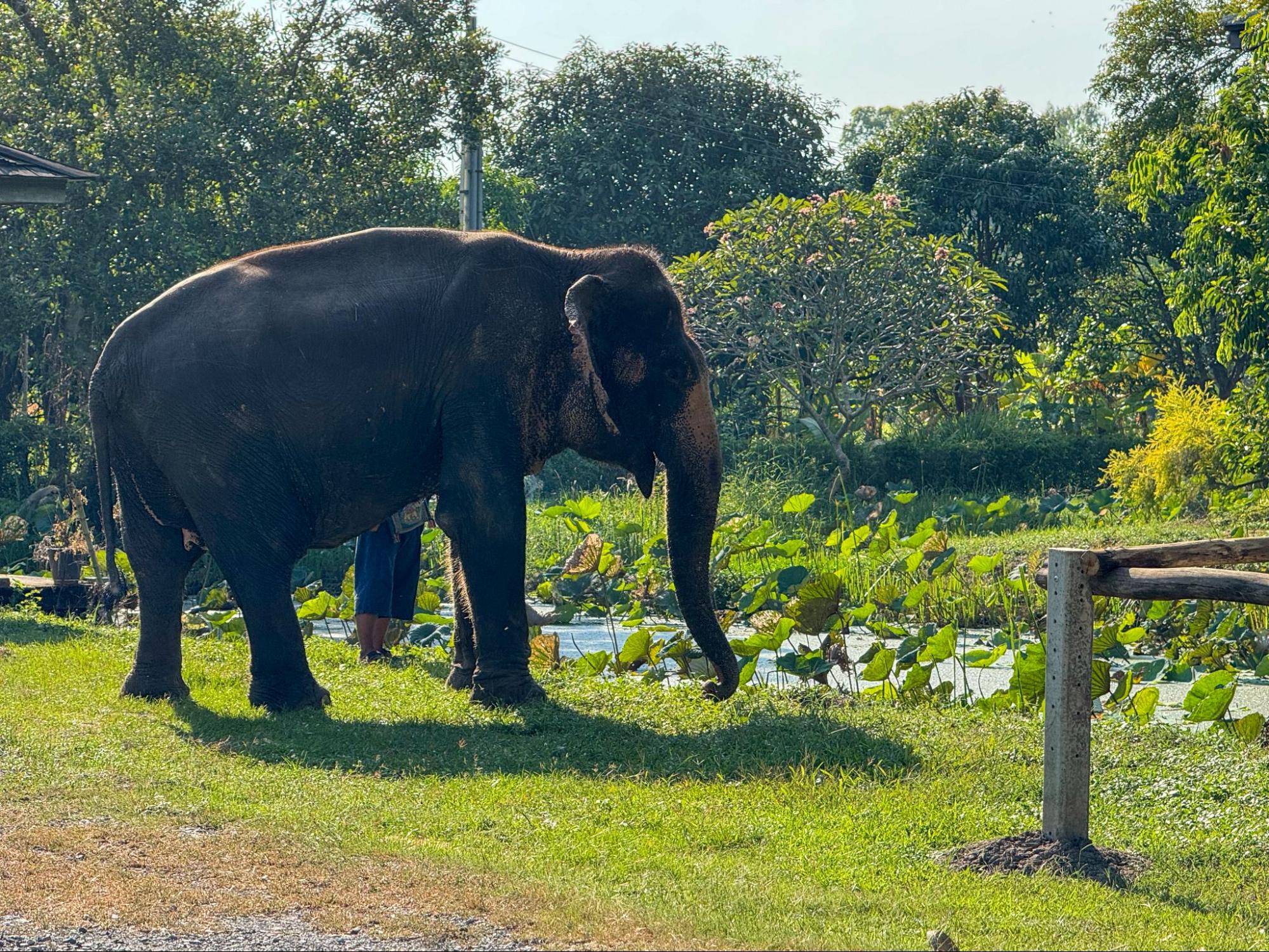
Guide to the status of Asian elephants in Thailand, the legal framework for both wild and domesticated elephants, and practical Dos and Don'ts
Thailand’s deep cultural connection to the elephant is matched by a challenging conservation reality. As the wild population slowly recovers, it faces mounting threats from habitat loss and human-elephant conflict. For travelers, understanding the ethical complexities of elephant In Thailand tourism is crucial. This guide provides an overview of the elephant’s status, the laws that protect them, and practical steps you can take to ensure your visit genuinely supports their welfare.
Life of Elephants in Thailand
The status of the Asian elephant (Elephas maximus) in Thailand presents a complex scenario of conservation success and ongoing challenges. Wild elephant populations are estimated to be between 3,084 and 3,500 individuals, with a noticeable increasing trend over the past 14 years, which is a testament to conservation efforts. Their remaining habitat is highly concentrated, with elephants residing in 69 of 189 Protected Areas, representing approximately 37% of the total protected area system.
The Western Forest Complex is identified as home to the largest elephant population. Despite the population growth, elephants face significant threats, primarily habitat loss and fragmentation due to the expansion of human settlements and agricultural encroachment. Poaching, mainly for ivory, also remains a serious concern.
A growing challenge is Human-Elephant Conflict (HEC), especially in agricultural border zones, which occasionally results in elephant deaths from incidents such as electrocution or being shot when raiding crops. Addressing HEC is critical to ensure the long-term viability of the increasing elephant population.
Elephants Status in Thailand
The legal framework governing elephants in Thailand reflects their dual status as a protected wild species and a domesticated working animal, while the international classification highlights their vulnerability. Internationally, the Asian elephant (Elephas maximus) is classified as "Endangered" on the IUCN Red List.
In Thailand, legal protections are bifurcated:
- Wild elephants are classified as "Preserved Animals" under the Wild Animal Preservation and Protection Act B.E. 2562 (2019). This Act strictly prohibits the killing, hunting, collecting, or breeding of the animal or its parts, except with specific authorization. Furthermore, elephant tusks are protected by the Elephant Ivory Act B.E. 2558 (2015), which was enacted to regulate the domestic ivory market and prevent the illegal laundering of African elephant ivory.
- Domesticated elephants fall under the Beasts of Burden Act B.E. 2482 (1939), administered by the Department of Provincial Administration, Ministry of Interior. This legal status requires owners to register their elephants to prevent wild elephants from being captured and falsely claimed as domestic, thereby controlling illegal trade.
Thailand is actively working on a draft Elephant Bill (ร่างพระราชบัญญัติช้าง). This new legislation is expected to provide a more comprehensive framework covering elephant policy, welfare standards for captive elephants, and the management of elephant camps, aiming to harmonize conservation with the cultural and economic role of the species.
Dos and Don't when Visit Elephant In Thailand
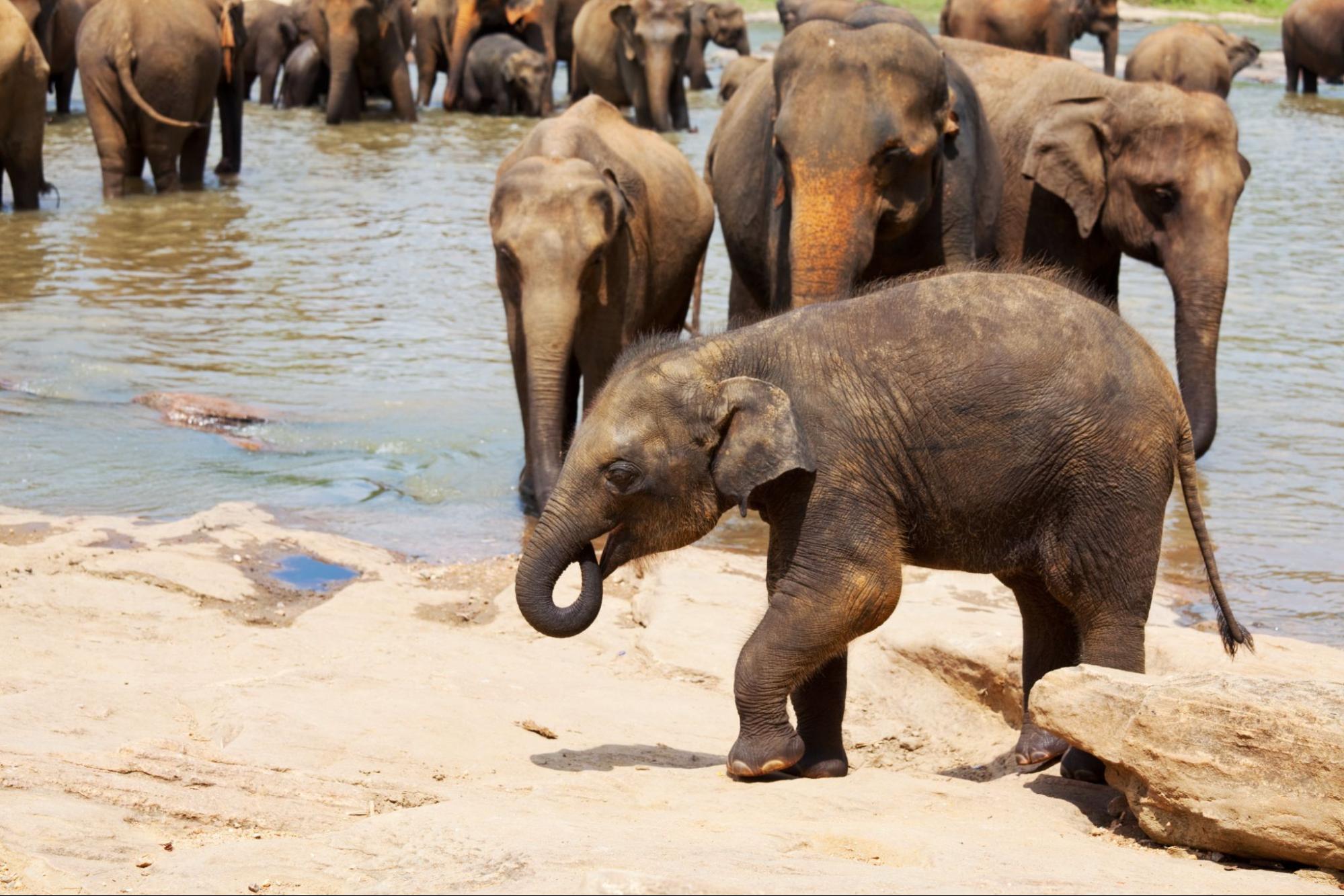
DOs: The Right Way to Visit
- Do Your Research Thoroughly: Do not simply trust a place called a "sanctuary." Read independent reviews, check their stated welfare policies, and look for certifications from reputable animal welfare organizations.
- Support Observation-Based Programs: Choose venues where the main activity is walking with the elephants or observing them from a distance in their natural habitat. This allows the elephants to lead a stress-free life.
- Maintain a Calm and Respectful Demeanor: Speak softly, move slowly, and follow all instructions from the sanctuary staff. Remember that elephants are sensitive to loud noises and sudden movements.
- Ask About the Elephant’s History: Inquire where the elephants were rescued from (e.g., logging, riding camps, begging) and what their daily care routine involves. Transparency is a mark of a good sanctuary.
- Wear Appropriate Clothing: Wear comfortable, practical clothes, and sturdy shoes for walking in the forest or mud.
DON'Ts: Activities to Avoid
- DON’T Ride the Elephant (Ever): Never, under any circumstances, ride an elephant, even if it’s "bareback" or for a short time. The elephant’s spine is not built for the weight of humans, and being made to carry tourists is physically damaging and is a consequence of abusive training.
- DON’T Participate in Forced Interactions: Avoid bathing, excessive feeding, or touching activities that put the elephant on a schedule for tourists. If the elephant is forced to be surrounded by people all day, the facility is prioritizing profit over welfare.
- DON’T Pay to See Performances or Tricks: Any elephant trained to perform an unnatural act—such as painting, dancing, or balancing—has been subjected to the cruel "phajaan" (crushing) process to break its spirit.
- DON’T Use Flash Photography: Sudden bright flashes can startle and stress the elephants. Use natural light and maintain a respectful distance when taking photos.
- DON'T Feed the Elephants Without Permission: Only feed elephants as part of an organized activity with staff guidance, and only the approved food provided by the sanctuary. Never feed wild elephants or elephants encountered on the roadside.
Elephant In Thailand for Tourists to Visit
Thailand has successfully increased its wild elephant population, but the threats from habitat loss and human conflict are severe and ongoing. As a visitor, your actions have a direct impact. By choosing ethical, observation-based sanctuaries that prohibit riding and performances, you ensure your tourism dollars support genuine conservation and the humane treatment of these cherished national animals.
 5 จังหวัด เมืองเกษียณ ที่คนวัย 30+ แห่ไปจองที่ดิน ค่าครองชีพถูก
 พื้นที่จังหวัดที่มาแรงที่สุดในฐานะเมืองหลวงแห่งที่2ของไทย
 จังหวัดจับปลาหมึกได้มากที่สุด 5 อันดับแรกของประเทศไทย
 3ชนิดต้นไม้ “หน้าบ้าน” ที่เน้นความสวยงามและความเขียวสดตลอดปี
 ผลหวยงวด 16 เมษายน 2569 ออกแล้ว ตรวจครบทุกเลขที่นี่
 เลขอาจารย์ต้น สาริกางิ้วดำ...วันที่ 16 เมษายน 2569
 สิบเลขขายดี สลากตัวเลขสามหลัก N3 งวด 16/4/69
 วิเคราะห์เลขตารางทักษาอาจาร์ออร่า งวดวันที่ 16 เมษายน 2569
 ที่เที่ยวไทยคนน้อย ฟิวเหมือนไปต่างประเทศ..
 สะพานที่ข้ามแหล่งน้ำจืดที่มีความยาวมากที่สุดในประเทศไทย
 เปิดเลขเด่นตำราท้าวเวสสุวรรณ...16 เมษายน 2569
 มหากาพย์นามประเทศ ส่อง 5 อันดับแชมป์โลก ที่ชื่อยาวจนต้องหายใจทิ้ง
 หวยงวด 1 พ.ค. 69 เลื่อนออกวันไหน สรุปชัดวันออกรางวัล
 จังหวัดไหนในไทย‘ผลิตไฟฟ้าได้เอง’มากที่สุด?”
 ได้ยินเสียงก็ขนลุก! “ตุ๊กแก” ตัวลาย กับสกิลโหด กระโดดทีสะดุ้งทั้งบ้าน
 ใครบ้างที่ไม่ควรดื่มน้ำอ้อย
 เครื่องบินรบรุ่นสุดทันสมัย ที่กองทัพของไทยต้องการซื้อมากที่สุด
 ระทึก! ฝูงผึ้งนับหมื่นบุกเมือง “เนติโวต์” อิสราเอล วุ่นทั้งศูนย์การค้า-ชุมชน ยังไร้คำตอบต้นตอ
 โฆษณา ประชาสัมพันธ์
 แชร์ประสบการณ์ตรง! รีโนเวทห้องน้ำพังๆ เพราะปลวกกินวงกบ สู่การจบปัญหาด้วย "วงกบประตู PVC" ตัวตึงที่คนทำบ้านต้องรู้
 ประกันสุขภาพ มีกี่ประเภท รู้จักข้อดี และวิธีเลือกซื้อประกันให้คุ้ม
 เลือกใช้ WeatherBloc เพื่อการก่อสร้างที่ทนทาน ประหยัดพลังงาน
 ลมพิษ เกิดจากอะไร? รู้สาเหตุเบื้องต้นและการรักษาที่เหมาะสม