Understanding Joint Pain: Causes, Symptoms, and Treatments
เขียนโดย tothemoon555
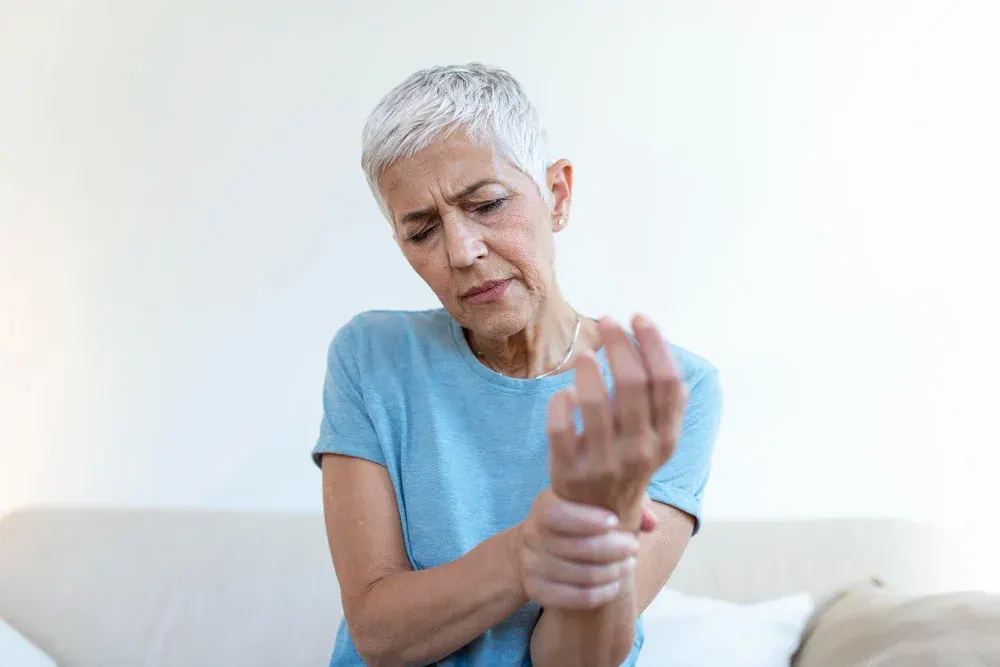
Joint pain can affect anyone at any age. Discover the causes, symptoms, and effective treatments for joint pain in this comprehensive guide.
Joint pain can affect anyone at any age. Discover the causes, symptoms, and effective treatments for joint pain in this comprehensive guide. This condition manifests as discomfort in one or more joints, where two or more bones meet, often leading to significant daily challenges.
What is Joint Pain?
Joint pain refers to discomfort affecting the areas where bones meet. The condition can be attributed to several factors, including:
- Osteoarthritis: This common form of arthritis results from the gradual deterioration of cartilage, leading to stiffness and pain especially beyond age 45.
- Rheumatoid Arthritis (RA): RA is a chronic disease characterized by joint swelling and pain, often resulting in deformities.
- Gout: This severe condition arises from the accumulation of acidic crystals in joints, frequently impacting the big toe.
- Bursitis: Usually due to overuse, this inflammation occurs in joints like the hip or shoulder.
- Tendinitis: This condition entails inflammation of the tendons, the tissues connecting muscles to bones.
Common Symptoms of Joint Pain
Joint pain often presents with a range of symptoms, including swelling, stiffness, redness, and decreased range of motion. These symptoms differ based on the underlying cause, so recognizing them is vital for effective treatment.
In conclusion, recognizing joint pain and its associated symptoms and causes is crucial. By understanding these elements, individuals can better manage their joint health and seek appropriate treatment when necessary.
Possible Causes of Joint Pain
Joint pain can stem from various conditions and lifestyle factors. Understanding what contributes to this discomfort is crucial for effective treatment. Common causes include:
- Osteoarthritis: This is the most prevalent form of arthritis, characterized by the gradual breakdown of cartilage in joints, typically affecting those over 45. Symptoms often include stiffness and pain, particularly after activity.
- Rheumatoid Arthritis (RA): An autoimmune disorder leading to painful swelling in joints, RA can deform joints, especially in fingers and wrists. Early intervention is crucial to minimize damage.
- Gout: Known for its sudden onset of severe pain and swelling, gout occurs when uric acid crystals accumulate in joints, commonly affecting the big toe.
- Bursitis: Often resulting from repetitive movements, this condition inflames the sacs that cushion joints, particularly around the hip, knee, and shoulder.
- Tendinitis: Inflammation of tendons is generally linked to overuse and commonly affects areas like the elbow and shoulder.
Other factors contributing to joint pain include infections and injuries, like sprains and fractures. Addressing these causes early is essential in managing joint pain effectively.
When to Seek Medical Attention for Joint Pain

It's important to know when to consult a healthcare provider regarding joint pain. Seek immediate medical attention if:
- The pain hampers your ability to perform daily activities.
- You experience accompanying symptoms like fever.
- Weight loss of 10 pounds or more occurs unexpectedly.
- You cannot walk normally due to pain.
- The joint appears hot and swollen, necessitating urgent evaluation.
Prompt diagnosis of joint pain can lead to better management, allowing individuals to maintain an active and healthy lifestyle.
Diagnosis of Joint Pain
Diagnosing joint pain requires a thorough examination by healthcare providers. The process typically begins with a comprehensive medical history, where you should be prepared to discuss any prior injuries, the onset of pain, familial patterns of joint issues, and the specific nature of your pain.
Following this, a physical examination of the affected joint allows the provider to assess for pain, limited motion, and any injury signs to adjacent muscles, tendons, and ligaments. Imaging tests, such as X-rays, may be utilized to detect joint deterioration, excess fluid, bone spurs, or other abnormalities that could be contributing to joint pain. Blood tests can also confirm a diagnosis or rule out alternative conditions causing these symptoms.
Often, the underlying causes of joint pain are complex, with arthritis being a leading factor. Consequently, it’s essential to seek expert evaluations to ensure you receive a tailored treatment plan based on the precise diagnosis of your joint pain.
Treatment Options for Joint Pain
When it comes to managing joint pain, various approaches can enhance comfort and functionality. While there may not always be a definitive cure for joint pain, effective management strategies exist.
Home Remedies for Joint Pain
At-home remedies can provide immediate relief. Utilizing heat or ice on the affected area multiple times daily or soaking in a warm bath are commonly recommended practices. Additionally, engaging in gentle, low-impact exercises, like walking or swimming, can help improve strength and flexibility. Weight loss is also significant in alleviating pressure on joints, thereby reducing pain.
Medical Treatments for Joint Pain
For more severe cases, medications, including over-the-counter pain relievers, may be prescribed. In instances where conservative treatments fail, surgical options such as arthroscopy, joint fusion, or osteotomy may be considered to alleviate chronic pain.
Exploring innovative treatment methods, such as "rejen," should involve discussions with healthcare providers for personalized and up-to-date suggestions regarding joint pain management solutions.
Conclusion
Understanding joint pain involves recognizing its causes, symptoms, and effective treatments, as detailed in this guide. This pervasive condition, affecting areas such as knees, hips, and hands, can result in soreness, swelling, and stiffness. Common causes include osteoarthritis, rheumatoid arthritis, gout, tendinitis, and bursitis. Early diagnosis and treatment are crucial for managing symptoms and maintaining quality of life. Methods like physical examinations, imaging, and blood tests assist in pinpointing causes, while treatments range from home remedies to surgical options. Lifestyle adjustments, weight management, and using supportive aids can significantly improve daily experiences. Staying informed about emerging treatments and engaging in low-impact exercises remain pivotal for joint health.
 พื้นที่จังหวัดที่มาแรงที่สุดในฐานะเมืองหลวงแห่งที่2ของไทย
 3ชนิดต้นไม้ “หน้าบ้าน” ที่เน้นความสวยงามและความเขียวสดตลอดปี
 สิบเลขขายดี สลากตัวเลขสามหลัก N3 งวด 16/4/69
 สะพานที่ข้ามแหล่งน้ำจืดที่มีความยาวมากที่สุดในประเทศไทย
 เปิดเลขเด่นตำราท้าวเวสสุวรรณ...16 เมษายน 2569
 ที่เที่ยวไทยคนน้อย ฟิวเหมือนไปต่างประเทศ..
 สถานศึกษาที่น่าเรียนที่สุดในประเทศไทย
 5 เมืองสงบ ใช้ชีวิตสบาย ห่างไกลความวุ่นวาย
 ประเทศในอาเซียนที่ถือครองทองคำเยอะที่สุด
 เลขอาจารย์ต้น สาริกางิ้วดำ...วันที่ 16 เมษายน 2569
 จังหวัดที่มีอุตสาหกรรมน้อยมากที่สุดในประเทศ
 จังหวัดจับปลาหมึกได้มากที่สุด 5 อันดับแรกของประเทศไทย
 ไก่ตอน คือ ไก่อะไร? เคล็ดลับความอร่อยที่คุณอาจไม่เคยรู้
 เครื่องบินรบรุ่นสุดทันสมัย ที่กองทัพของไทยต้องการซื้อมากที่สุด
 สิ่งของที่ไม่ควรใส่ ไม่ควรซัก ในเครื่องซักผ้า
 พฤติกรรมของคนที่มี ความฉลาดทางอารมณ์ต่ำ (Low Emotional Intelligence / Low EQ)
 อเมริกาส่งทหารเพิ่ม ขณะที่ข้อตกลงหยุดยิงชั่วคราว ใกล้หมดอายุ
 เผยปริศนาคาใจ: "ละม่อม" คือใคร ทำไมตำรวจมักจับผู้ร้ายได้ "โดยละม่อม"
 โฆษณา ประชาสัมพันธ์
 แชร์ประสบการณ์ตรง! รีโนเวทห้องน้ำพังๆ เพราะปลวกกินวงกบ สู่การจบปัญหาด้วย "วงกบประตู PVC" ตัวตึงที่คนทำบ้านต้องรู้
 ประกันสุขภาพ มีกี่ประเภท รู้จักข้อดี และวิธีเลือกซื้อประกันให้คุ้ม
 เลือกใช้ WeatherBloc เพื่อการก่อสร้างที่ทนทาน ประหยัดพลังงาน
 ลมพิษ เกิดจากอะไร? รู้สาเหตุเบื้องต้นและการรักษาที่เหมาะสม