Essential Wound Care: A Comprehensive Guide to Healing
เขียนโดย tothemoon555
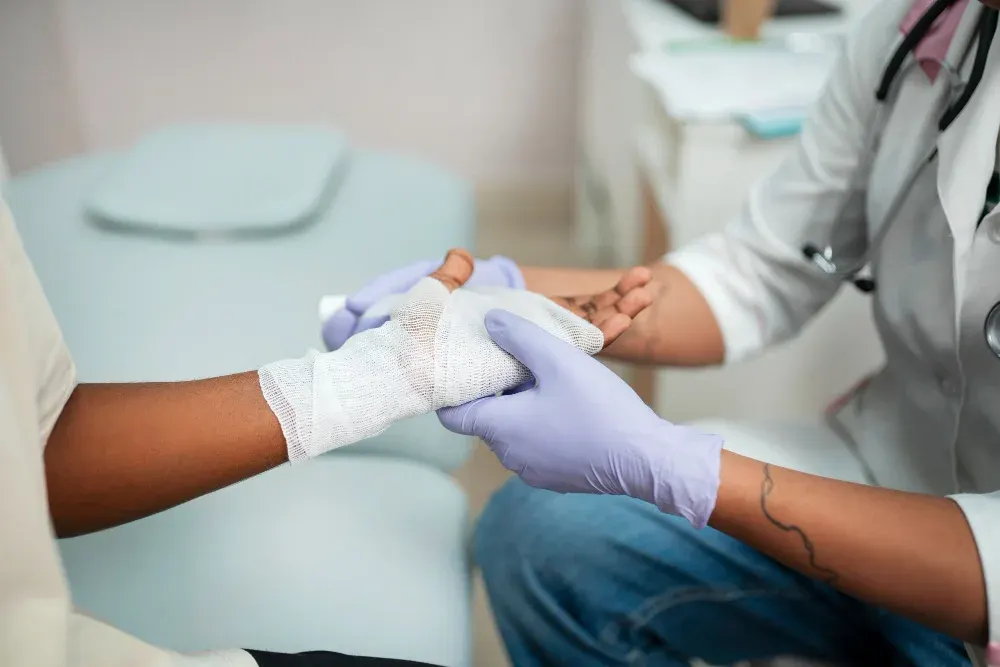
Proper wound care is essential for facilitating healing and preventing infections. This guide offers actionable steps for effective wound care, focusing on various types of wounds and the appropriate dressing methods to promote recovery.
What is Wound Care?
Wound care refers to the processes and techniques involved in treating various injuries to promote healing and prevent infection. Understanding the significance of proper wound care is essential for anyone looking to ensure quick recovery. Many people hold misconceptions about wound management, such as believing that wounds should always be kept dry or that all wounds require a bandage. In reality, effective wound care means keeping the injury clean and appropriately covered to promote healing while allowing for airflow, depending on the type of wound.
Types of Wounds
Wounds can be categorized into several types including cuts, abrasions, and burns. Each type has its own especific characteristics and healing requirements. For instance, cuts typically result from sharp objects and can be deep, requiring stitches in some cases. Abrasions, often seen as "scrapes," occur when skin rubs against a rough surface. Burns can range from minor to severe, depending on their depth and cause. Understanding these types helps in choosing the right wound care strategies, ultimately facilitating the healing process.
The Healing Process
The healing process for wounds generally occurs in stages: hemostasis, inflammation, proliferation, and remodeling. Initially, hemostasis involves blood clotting, followed by an inflammatory response to clear debris and bacteria. During proliferation, new tissue forms, and the final stage, remodeling, improves the integrity of the new tissue. Various factors can influence healing time, including the wound's location, depth, and the overall health of the individual. Providing appropriate wound care at each stage is vital for optimal recovery and prevents complications.
By grasping the core principles of wound care, you can foster more proficient healing practices for yourself or those around you.
Step-by-Step Guide to Wound Care
Wound care is essential for effective recovery and preventing infections. Following steps for proper wound care ensures that the injury receives the best treatment possible.
Gathering Supplies
For successful wound care, essential supplies include antiseptic wipes, antibiotic ointment, sterile dressings, and non-stick bandages. Keep a well-stocked first aid kit in your home or vehicle, which should include scissors and tweezers for removing debris. This will ensure you are prepared for any injury, allowing for timely and effective care targeted at healing.
Cleaning the Wound
- Initial Cleaning : Begin by thoroughly washing the wound with clean water and mild soap to eliminate dirt and bacteria.
- Stop Bleeding : Apply gentle pressure with a clean cloth to cease any bleeding. For burns, cool water is effective in calming the tissue.
- Apply Ointment : After bleeding has stopped, apply a thin layer of antibiotic ointment to protect from infection.
- Cover the Wound : Use a clean bandage to shield the wound from external dirt and bacteria, promoting a moist environment for healing.
Dressing the Wound
Proper dressing is crucial. After cleaning, securely apply the dressing, ensuring it isn’t too tight, which can impede circulation. Depending on the injury, use either adhesive bandages or gauze and tape. Dressing changes should occur daily or whenever wet or dirty.
Changing the Dressing
Changing a wound's dressing is necessary if it appears soiled or wet. Observe any signs of infection, such as increased redness or swelling. Follow a consistent schedule for changing the dressing to maintain optimal healing conditions.
When to Seek Medical Attention
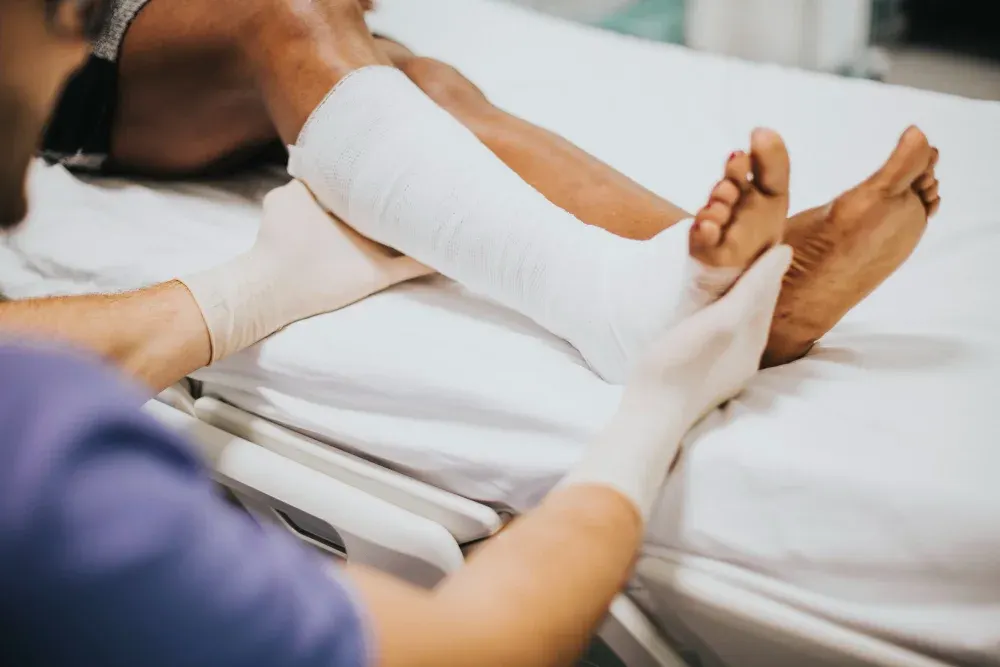
Injury treatment becomes critical if you notice signs of infection like increased redness, swelling, or pus. It's important to seek medical help promptly. If a wound doesn't improve with basic care or if you experience excessive pain, don’t hesitate to consult a healthcare provider. Proper management in these scenarios ensures a swift recovery and mitigates further complications related to the wound care process.
Common Mistakes in Wound Care
Wound care is critical for ensuring proper healing and avoiding complications. However, many people make common mistakes that can hinder recovery. One major mistake in wound care is using harsh cleaning agents, like hydrogen peroxide or alcohol, which can damage tissues. Instead, clean wounds gently with mild soap and water. Another error is failing to maintain proper moisture balance; wounds that are too dry or too wet may not heal well, so using the right dressings is essential.
Ignoring signs of infection is also a frequent mistake. Symptoms like increased redness or pus require immediate medical attention. Additionally, improper antibiotic use can lead to resistance. Only use these treatments when necessary, as instructed by a healthcare professional.
It's crucial to change dressings regularly, as neglecting this can lead to infection. Moreover, popping blisters can increase the risk of complications; allow them to heal naturally unless otherwise advised. Lastly, neglecting overall health—like managing diabetes, which affects healing—is a significant oversight. Being aware of these common mistakes in wound care and taking proactive steps can greatly enhance healing outcomes.
Conclusion
Effective wound care hinges on understanding various wound types, adopting appropriate healing strategies, and avoiding common mistakes. Key tactics include using gentle cleaning methods, maintaining moisture balance, and selecting the right dressings. Recognizing signs of infection and seeking timely medical attention is crucial. Tailored approaches for specific wounds—such as surgical wounds, burns, and chronic conditions—enhance recovery and prevent complications. Also essential is the integration of overall health practices, including balanced nutrition and exercise, to boost healing. By embracing these principles, individuals can proactively manage wound health, ensuring optimal healing and reducing future complications. Awareness and education in wound care play a vital role in fostering better health outcomes.
 5 จังหวัด เมืองเกษียณ ที่คนวัย 30+ แห่ไปจองที่ดิน ค่าครองชีพถูก
 3ชนิดต้นไม้ “หน้าบ้าน” ที่เน้นความสวยงามและความเขียวสดตลอดปี
 พื้นที่จังหวัดที่มาแรงที่สุดในฐานะเมืองหลวงแห่งที่2ของไทย
 สถานศึกษาที่น่าเรียนที่สุดในประเทศไทย
 วิเคราะห์เลขตารางทักษาอาจาร์ออร่า งวดวันที่ 16 เมษายน 2569
 จังหวัดจับปลาหมึกได้มากที่สุด 5 อันดับแรกของประเทศไทย
 "เมือง"ที่อากาศเย็นกำลังดีตลอดทั้งปี
 กินแล้วอย่าทิ้งเมล็ด! 5 ผลไม้ "ปลูกต่อได้" ในกระถาง เปลี่ยนระเบียงบ้านให้เป็นสวนผลไม้จิ๋ว 🌳🍋
 สะพานที่ข้ามแหล่งน้ำจืดที่มีความยาวมากที่สุดในประเทศไทย
 จังหวัดไหนของไทย กำลังถูกมองว่าเป็นอนาคตความเจริญรุ่งเรืองของไทย
 ผลหวยงวด 16 เมษายน 2569 ออกแล้ว ตรวจครบทุกเลขที่นี่
 ที่เที่ยวไทยคนน้อย ฟิวเหมือนไปต่างประเทศ..
 มหาวิทยาลัยที่ยอดเยี่ยมที่สุด อันดับที่หนึ่งในเขตภาคอีสานของไทย
 ทำความรู้จัก "กล้วยเปรี้ยว" (บักผีผ่วน) ผลไม้ป่าสีสด รสเปรี้ยวอมหวาน
 แม่ค้าเขมรไม่สนดราม่า! อินฟลูแอบถ่ายขาย “แป้งไทย” ช่วงสงกรานต์ สวนกลับตรงๆ ก็ของมันขายดี จะให้หยุดได้ยังไง
 เขมรมองค้อน! ต่างชาติปลื้ม “สุวรรณภูมิ” จัดเต็มสงกรานต์ แจกของที่ระลึก-โชว์หุ่นละครเล็ก สะท้อนพลัง Soft Power ไทย
 “อ่าว“ที่สำคัญต่อระบบเศรษฐกิจโลก
 โฆษณา ประชาสัมพันธ์