Ischemic Stroke: Causes, Symptoms, and Treatments
เขียนโดย tothemoon555

Ischemic stroke is a critical medical condition that arises when blood flow to a part of the brain is interrupted, leading to brain cell damage due to lack of oxygen. Understanding ischemic stroke is essential since timely intervention can significantly improve outcomes. It is crucial to differentiate ischemic stroke from other stroke types, such as hemorrhagic strokes, as their treatment differs greatly. Prompt recognition and treatment of ischemic stroke can save lives and minimize long-term disabilities.
What is Ischemic Stroke?
Ischemic stroke occurs when a blood clot, often formed from fatty deposits (atherosclerosis), blocks an artery supplying blood to the brain. This blockage prevents oxygen-rich blood from reaching brain tissues, leading to cell death if not rectified quickly. Symptoms may include sudden numbness, confusion, trouble speaking, and difficulty walking. The effect of ischemic stroke on a person can be profound, impacting physical and cognitive functions long after the event.
Types of Ischemic Stroke
There are two primary types of ischemic stroke: thrombosis and embolism. Thrombotic ischemic strokes arise from clots that develop in arteries within the brain, whereas embolic stroke occurs when a clot forms in another part of the body and travels to the brain, causing blockage. Understanding these types is crucial for determining appropriate treatment options and preventive measures, including lifestyle changes to reduce risk factors such as high blood pressure and cholesterol.
By raising awareness about ischemic strokes' causes, symptoms, and treatments, individuals can better equip themselves to recognize warning signs and seek urgent care, ultimately leading to better health outcomes.
Symptoms and Warning Signs
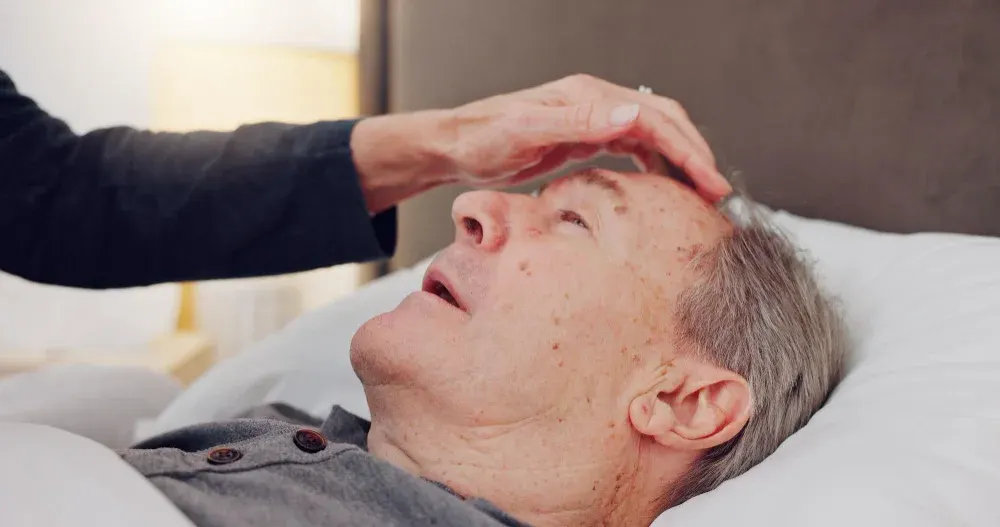
Recognizing the symptoms and warning signs is crucial when dealing with ischemic stroke. Common symptoms include sudden weakness or numbness, especially on one side of the body, confusion, trouble speaking, and difficulty walking or maintaining balance. Recognizing these symptoms promptly can significantly affect the outcome.
Recognizing Symptoms
Typical symptoms of ischemic stroke might manifest as an abrupt onset of weakness, confusion, or issues with balance. The acronym FAST is often used to help remember the key symptoms: Face drooping, Arm weakness, Speech difficulties, and Time to call emergency services. Immediate action is vital—every minute matters in minimizing damage to brain tissue and improving recovery prospects. Recognizing symptoms of ischemic stroke quickly can ensure that emergency treatment is administered in time, potentially saving lives.
What to Do If Symptoms Occur?
If symptoms of ischemic stroke manifest, it’s crucial to act quickly. The first step is to call emergency services immediately. The faster a patient receives treatment, the better the chances of minimizing long-term damage. Patients and bystanders should avoid giving the affected person food, drink, or medication before professional help arrives, as this can complicate treatment.
Diagnosis of Ischemic Stroke
Accurate diagnosis is essential for an effective treatment strategy for ischemic stroke. Medical professionals typically rely on imaging tests and assessments of medical history to diagnose the condition accurately.
Tests Involved
Key diagnostic tools include CT scans and MRIs, which help visualize the brain and determine the presence and extent of any blockage. These imaging tests enable doctors to differentiate between ischemic and hemorrhagic strokes and dictate the course of treatment. Additional tests may also be conducted to confirm a stroke and rule out other medical conditions.
Evaluating Risk Factors
Identifying personal risk factors for ischemic stroke is also crucial. Common risks include high blood pressure, diabetes, and family history. Understanding individual health metrics can empower patients to take preventive measures, improving their overall health and reducing stroke risks.
Management and Treatment Options
For individuals facing an ischemic stroke, prompt management and treatment options are vital to minimizing brain damage and enhancing recovery prospects. Immediate interventions focus on restoring blood flow to the affected area of the brain. Key emergency treatments include:
Emergency Treatments
Thrombolytics play a crucial role in emergency treatment, as they dissolve blood clots if administered within a few hours of stroke onset. Common medications such as tissue plasminogen activator (tPA) greatly improve outcomes. Other strategies involve antiplatelet agents, like aspirin, which prevent new clots, and anticoagulants such as warfarin, particularly for patients with atrial fibrillation. In certain cases, surgical options like endovascular procedures and carotid endarterectomy may be required to remove blockages.
Rehabilitative Care
Following acute treatment, the focus shifts to effective rehabilitation. Various therapies—including physical, occupational, and speech therapy—are critical for regaining lost functions and fostering independence. Continuous rehabilitation is essential for recovery, as adjusting to long-term changes in health can be challenging. Additionally, managing lifestyle factors like diet and exercise is crucial for maintaining overall health and preventing future strokes.
Conclusion
Recognizing and addressing ischemic stroke is crucial for improving health outcomes. Ischemic stroke occurs due to blocked arteries in the brain, often from clots caused by atherosclerosis, leading to oxygen deprivation of brain tissues. Prompt symptom recognition, like sudden numbness or trouble speaking, is vital. Tests such as CT scans aid in accurate diagnosis, differentiating from other stroke types. Immediate treatments focus on clot dissolution, while long-term recovery involves rehabilitative therapies. Preventive measures include managing risk factors through lifestyle adjustments, such as a healthy diet and avoiding smoking. With proper management and support, many stroke survivors can regain fulfilling lives, highlighting the importance of continuous healthcare provider engagement for adapting care. Swift intervention and informed lifestyle choices remain pivotal in addressing ischemic stroke effectively.
 พื้นที่จังหวัดที่มาแรงที่สุดในฐานะเมืองหลวงแห่งที่2ของไทย
 "เมือง"ที่อากาศเย็นกำลังดีตลอดทั้งปี
 สะพานที่ข้ามแหล่งน้ำจืดที่มีความยาวมากที่สุดในประเทศไทย
 สถานศึกษาที่น่าเรียนที่สุดในประเทศไทย
 5 จังหวัด เมืองเกษียณ ที่คนวัย 30+ แห่ไปจองที่ดิน ค่าครองชีพถูก
 ผลหวยงวด 16 เมษายน 2569 ออกแล้ว ตรวจครบทุกเลขที่นี่
 3ชนิดต้นไม้ “หน้าบ้าน” ที่เน้นความสวยงามและความเขียวสดตลอดปี
 จังหวัดจับปลาหมึกได้มากที่สุด 5 อันดับแรกของประเทศไทย
 จังหวัดไหนของไทย กำลังถูกมองว่าเป็นอนาคตความเจริญรุ่งเรืองของไทย
 สิบเลขขายดี สลากตัวเลขสามหลัก N3 งวด 16/4/69
 ประเทศที่ใช้งบประมาณ ด้านกลาโหมมากที่สุดในอาเซียน
 กินแล้วอย่าทิ้งเมล็ด! 5 ผลไม้ "ปลูกต่อได้" ในกระถาง เปลี่ยนระเบียงบ้านให้เป็นสวนผลไม้จิ๋ว 🌳🍋
 ประเทศที่หาเงินง่าย แต่ใช้ชีวิตยาก?สะพานที่ข้ามแหล่งน้ำจืดที่มีความยาวมากที่สุดในประเทศไทยจังหวัดจับปลาหมึกได้มากที่สุด 5 อันดับแรกของประเทศไทย
 โฆษณา ประชาสัมพันธ์