TACE or Transarterial Chemoembolization for Liver Cancer
เขียนโดย tothemoon555

Explore the TACE procedure for liver cancer, its benefits, risks, and detailed insights into chemotherapy and embolization techniques. Read full article here.
Transarterial Chemoembolization (TACE) is a vital procedure tailored for liver cancer treatment, particularly effective for hepatocellular carcinoma. TACE involves directing a blend of chemotherapy drugs and embolic agents into the liver tumor, blocking its blood supply and preventing further growth. This treatment approach allows for higher dosages of chemotherapy to target the tumor, leading to reduced systemic side effects compared to traditional chemotherapy. Such strategies are particularly crucial when surgical options are limited due to tumor size or location.
Overview of TACE
TACE operates on fundamental principles that enhance the efficacy of cancer treatment. The procedure primarily benefits patients with liver cancer who may not be candidates for surgery due to advanced tumor stages or liver function concerns.
Benefits of TACE
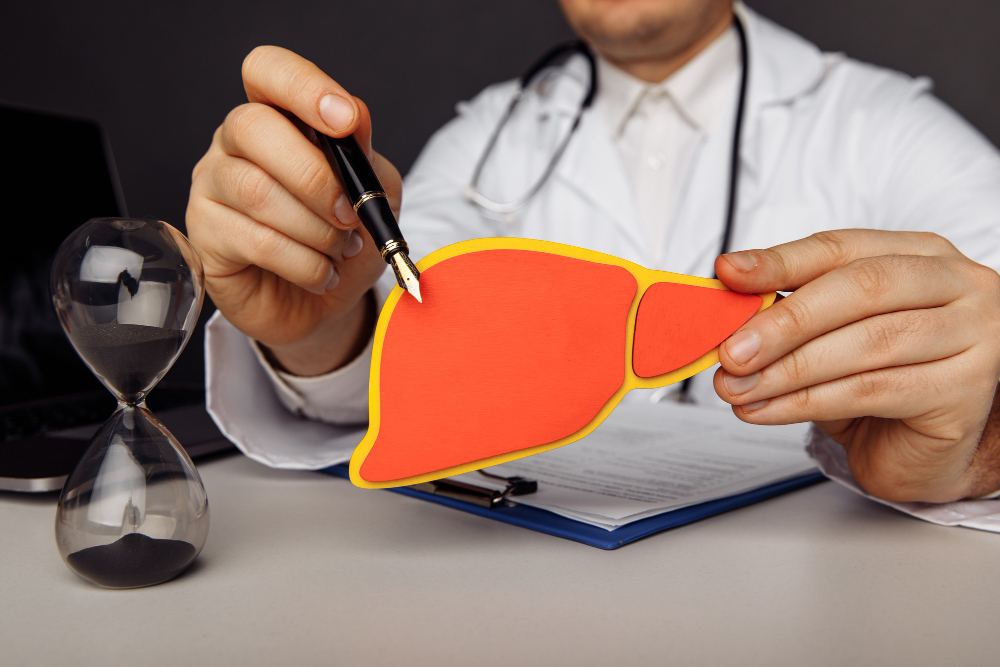
Transarterial Chemoembolization (TACE) offers several significant benefits for patients, making it a vital option in the management of certain liver cancers. One of the primary advantages is its high success rate, providing hope and improved outcomes for patients facing this diagnosis. Additionally, the TACE procedure preserves liver function remarkably well, ensuring that the organ continues to perform essential biological processes after the treatment.
Recovery time is another noteworthy benefit—patients typically experience shorter recovery periods compared to traditional cancer treatments. Many individuals report feeling better within a few weeks post-procedure, which significantly enhances their quality of life during the recovery phase. As patients consider their treatment options, understanding these benefits of TACE can guide them in making informed decisions aligned with their health goals.
Potential risks associated with TACE
Despite the advantages, it is essential to acknowledge potential risks following the TACE procedure. Common complications may include pain at the injection site, nausea, and fever, which can arise as the body responds to the treatment. To mitigate these risks, thorough pre-procedural assessments and adherence to post-procedure care recommendations are critical. Patients should engage in open communication with their healthcare providers to address any concerns and monitor their recovery closely.
TACE Procedure
Delving into the technical aspects of the TACE procedure reveals a sophisticated process aimed at targeting liver tumors effectively. Initially, anesthesia and sedation are utilized to ensure patient comfort; adults typically receive sedation, while children may require general anesthesia.
The interventional radiologist then performs catheter insertion through a small incision, usually near the wrist or groin. Using real-time imaging technologies, the specialist navigates the catheter through blood vessels directly to the tumor. A special dye is injected to enhance the visibility of the tumor and surrounding vessels, allowing for precise delivery of treatment.
The combination of chemotherapy drugs and an embolic agent is then administered, trapping the drugs at the tumor site for maximum efficacy. Interestingly, after the procedure, the catheter is removed, and the incision site is simply covered with a bandage, necessitating no stitches. Understanding these technical aspects of the TACE procedure gives patients clearer insight into what to expect throughout their journey.
Preparation for TACE
Preparing for TACE involves several preliminary steps. Patients should undergo comprehensive evaluations, including imaging studies and blood tests, to assess liver function and overall health before treatment. Dietary restrictions may also be recommended, and communication with healthcare providers about current medications is crucial to avoid any interactions that could affect the procedure's success.
Follow-up care after TACE
Post-procedure follow-up care is vital in the TACE treatment pathway. Regular monitoring and scheduled appointments help in tracking patient recovery and liver health. Patients may also receive guidelines on managing symptoms or discomfort during recovery. Adequate follow-up ensures optimal outcomes and reinforces the importance of ongoing support throughout the treatment journey.
When to Seek Medical Advice Post-TACE
After undergoing a TACE procedure, it is crucial for patients to monitor their health closely. Symptoms may arise that necessitate immediate medical attention. Patients should contact their healthcare provider if they experience persistent vomiting and nausea that do not improve, sudden onset of confusion or uncoordinated movements, fever with accompanying sweats and chills, or any signs of liver failure, such as jaundice (yellowing of the skin or eyes).
These symptoms could indicate complications that require prompt evaluation and intervention. Additionally, regular follow-up routines play an essential role in monitoring treatment effectiveness and checking for the emergence of new tumors. Following a TACE treatment, patients need to remain vigilant and report any concerning symptoms to their healthcare professionals.
Conclusion of TACE—treatment for liver cancer
Transarterial Chemoembolization (TACE) marks a significant advancement in liver cancer treatment. This procedure effectively targets liver tumors by combining chemotherapy with embolic agents to block the blood supply, significantly enhancing therapeutic outcomes with reduced systemic side effects.
TACE is invaluable, particularly when surgery is not an option due to tumor size or location. Its success in halting tumor growth. Despite potential risks like nausea or fever, the benefits, including preserved liver function and quicker recovery, underscore its value. Patients are encouraged to engage actively with healthcare providers to understand TACE's suitability for their condition, ensuring informed decision-making and optimal management.
 บริษัทผลิตรถไถสัญชาติไทย ที่ประสบความสำเร็จและเป็นที่รู้จักมากที่สุด
 พื้นที่จังหวัดที่มาแรงที่สุดในฐานะเมืองหลวงแห่งที่2ของไทย
 ผลหวยงวด 16 เมษายน 2569 ออกแล้ว ตรวจครบทุกเลขที่นี่
 5 จังหวัด เมืองเกษียณ ที่คนวัย 30+ แห่ไปจองที่ดิน ค่าครองชีพถูก
 "เมือง"ที่อากาศเย็นกำลังดีตลอดทั้งปี
 3ชนิดต้นไม้ “หน้าบ้าน” ที่เน้นความสวยงามและความเขียวสดตลอดปี
 กินแล้วอย่าทิ้งเมล็ด! 5 ผลไม้ "ปลูกต่อได้" ในกระถาง เปลี่ยนระเบียงบ้านให้เป็นสวนผลไม้จิ๋ว 🌳🍋
 จังหวัดไหนของไทย กำลังถูกมองว่าเป็นอนาคตความเจริญรุ่งเรืองของไทย
 รู้งี้มีติดบ้านไว้นานแล้ว… น้ำแข็งแช่ฟรีซ 7 ข้อดีที่หลายคนมองข้าม
 จังหวัดไหนในไทย‘ผลิตไฟฟ้าได้เอง’มากที่สุด?”
 สถานศึกษาที่น่าเรียนที่สุดในประเทศไทย
 จังหวัดจับปลาหมึกได้มากที่สุด 5 อันดับแรกของประเทศไทย
 ไม่ควรกิน"แตงโม"ถ้าอยู่ในคน7กลุ่มนี้!!
 ขนมหวานของไทย ที่ถูกจัดอันดับให้เป็นหนึ่งในขนมที่อร่อยที่สุดในโลก
 พฤติกรรมของคนที่มี ความฉลาดทางอารมณ์ต่ำ (Low Emotional Intelligence / Low EQ)
 โฆษณา ประชาสัมพันธ์