Myomectomy Guide: Procedure, Risks & Recovery Tips
เขียนโดย tothemoon555
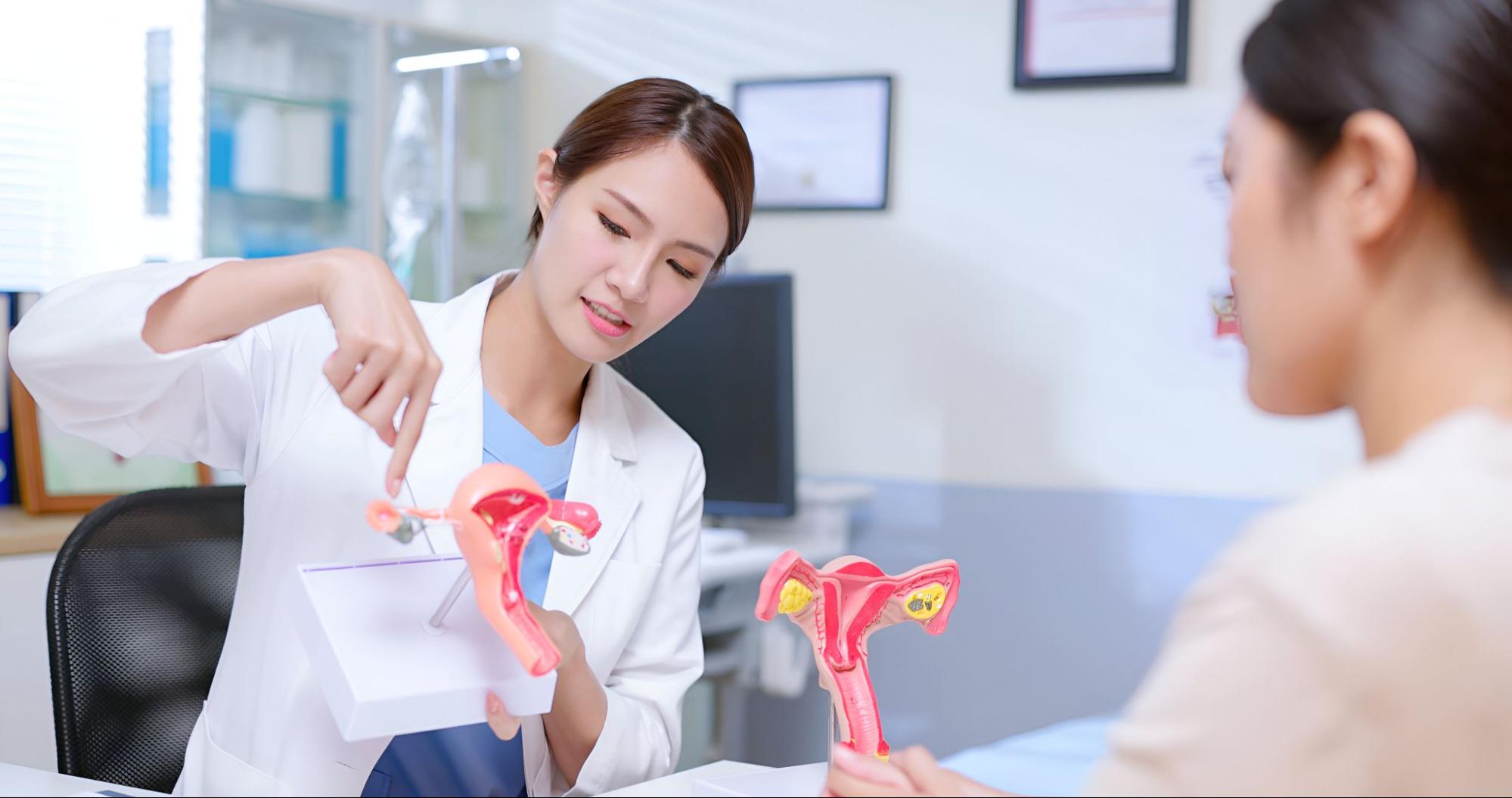
Explore the process of myomectomy, its purpose, risks, and recovery insights. Understand this surgical procedure and its implications on uterine health.
Myomectomy is a surgical procedure aimed at removing uterine fibroids, noncancerous growths that can develop in the uterus. This myomectomy procedure is significant because it helps alleviate symptoms such as heavy menstrual bleeding, pelvic pain, and pressure effects on adjacent organs. Furthermore, myomectomy serves as a fertility-preservation option for women desiring to conceive, making it an essential aspect of women's health care.
Indications for Myomectomy
The common indications for myomectomy include the presence of symptomatic fibroids that adversely impact women's health. These symptoms may encompass heavy menstrual periods, anemia due to excessive bleeding, and interference with urinary or bowel function. The decision to undergo myomectomy often relies on the severity of these symptoms and the desire for future fertility.
Identifying the right candidates for myomectomy is pivotal, particularly among women looking to preserve their fertility. In such cases, evaluating the potential benefits of surgical intervention is crucial. Myomectomy can restore normal uterine anatomy, increasing the chances of successful conception.
Types of Uterine Fibroids
Uterine fibroids can be categorized into various types based on their location: intramural, submucosal, and subserosal. Each type has distinct characteristics that influence surgical decisions and approaches. For instance, submucosal fibroids, which protrude into the uterine cavity, are often linked to heavier bleeding and may require specialized surgical techniques.
When to Consider Myomectomy
Women considering myomectomy should weigh the benefits and risks carefully. Factors influencing the decision may include fibroid size, symptoms, and overall reproductive goals. Engaging in detailed discussions with a healthcare provider ensures an informed choice, tailored to the individual's health scenario and aspirations concerning family planning.
The Myomectomy Procedure
Myomectomy is a surgical procedure aimed at removing uterine fibroids, or leiomyomas, to alleviate discomfort and preserve the uterus. Fibroids are noncancerous growths that can cause symptoms like heavy bleeding and pelvic pressure. The primary goal of the myomectomy procedure is to excise these fibroids using various surgical techniques, ensuring the uterus remains intact for future reproductive capabilities.
Abdominal Myomectomy
The abdominal myomectomy involves making an incision in the lower abdomen to access and extract large or numerous fibroids. This surgery offers a direct view for the surgeon, allowing for thorough removal while minimizing the risk of complications. However, its invasiveness may lead to longer recovery times compared to less intrusive methods.
Laparoscopic Myomectomy
Laparoscopic myomectomy is a minimally invasive option characterized by several small incisions and the use of a camera for guidance. The advantages of this technique include reduced pain, shorter recovery periods, and minimal scarring. This method enhances patient comfort while effectively targeting fibroids.
Hysteroscopic Myomectomy
Hysteroscopic myomectomy is ideal for fibroids located within the uterine cavity. Using a thin instrument inserted through the vagina, this method permits direct visualization and removal of the fibroids. It is especially beneficial as it avoids abdominal incisions, thus promoting quicker recovery.
Risks and Complications of Myomectomy

While myomectomy is generally safe, several risks and complications are associated with the procedure.
- Blood Loss: Anemia-prone patients face a heightened risk of complications stemming from blood loss which, while managed by surgeons, can require transfusion.
- Scar Tissue: Surgical incisions may lead to adhesions, with laparoscopic methods causing fewer adhesions compared to abdominal approaches.
- Pregnancy Complications: Myomectomy can introduce risks during childbirth, especially if significant incisions were performed.
- Chance of Hysterectomy: In extreme cases of excessive bleeding or unexpected findings, a hysterectomy may be necessary.
- Cancer Risk: Rarely, a fibroid may harbor a cancerous tumor. If misidentified and removed inappropriately, there’s potential for spreading.
- Fibroid Recurrence: New fibroids can develop post-surgery if not entirely excised, necessitating careful postoperative monitoring.
These considerations underscore the importance of comprehensive preoperative evaluations before scheduling a myomectomy.
Recovery After Myomectomy
Recovery after myomectomy is a critical phase that requires attention to detail and adherence to medical guidance. Typically, the recovery journey includes several key aspects. Initially, the hospital stay may vary depending on whether the surgery was laparoscopic or abdominal; laparoscopic procedures often allow for shorter stays. Pain management is crucial, with patients generally prescribed oral medication for any discomfort experienced post-surgery.
It is advisable to follow the specific recommendations provided by healthcare professionals, including any limits on physical activities. Vaginal spotting is common and can last from a few days to up to six weeks, varying by the type of procedure. Most individuals can expect to gradually resume regular activities within a few weeks, although individual recovery times will differ.
Physical Recovery Timeline
Understanding the physical recovery timeline following a myomectomy is important. The typical stages can be categorized as follows: Immediate recovery involves rest and pain management within the initial days. As healing progresses, light activities may be introduced, focusing on gentle movement to promote circulation.
Individual variations in recovery time are common. Some may rebound quickly, while others might take longer due to factors such as age, overall health, and the type of myomectomy performed. Adhering to follow-up appointments and being attentive to the body’s signals plays a significant role in successful recovery.
Emotional and Psychological Support
The emotional aspect during myomectomy recovery is equally important. Maintaining mental health post-surgery can influence overall recovery outcomes. It's valuable for patients to seek psychological support from healthcare providers or support groups, where shared experiences may provide comfort and understanding.
Resources for emotional recovery include counseling services, online forums, and community support groups focused on women's health. Prioritizing psychological wellness can aid in navigating the emotional challenges that may arise post-surgery. Access to such support facilitates a comprehensive recovery process, underscoring the importance of addressing both physical and emotional health needs.
Conclusion: Myomectomy: Effective Fibroid Treatment with Careful Risks
Myomectomy stands as a pivotal surgical option in addressing the challenges posed by uterine fibroids, particularly for women desiring symptom relief and fertility preservation. This procedure effectively alleviates symptoms like heavy menstrual bleeding and pelvic pressure while offering improved fertility prospects, notably through minimally invasive methods such as laparoscopic surgery. Given its importance, patients are encouraged to carefully evaluate the procedure's benefits against potential risks, engage in thorough discussions with healthcare providers, and adhere to post-surgical guidelines.
Waiting three to six months before attempting conception is recommended to ensure proper uterine healing and optimize future pregnancy outcomes. Ultimately, myomectomy presents an essential choice for enhancing women's health and quality of life by offering sustainable solutions to fibroid-related complications.
 พื้นที่จังหวัดที่มาแรงที่สุดในฐานะเมืองหลวงแห่งที่2ของไทย
 จังหวัดไหนของไทย กำลังถูกมองว่าเป็นอนาคตความเจริญรุ่งเรืองของไทย
 5 จังหวัด เมืองเกษียณ ที่คนวัย 30+ แห่ไปจองที่ดิน ค่าครองชีพถูก
 3ชนิดต้นไม้ “หน้าบ้าน” ที่เน้นความสวยงามและความเขียวสดตลอดปี
 บริษัทผลิตรถไถสัญชาติไทย ที่ประสบความสำเร็จและเป็นที่รู้จักมากที่สุด
 "เมือง"ที่อากาศเย็นกำลังดีตลอดทั้งปี
 เมืองธรรมชาติสวยที่สุดในไทย วิวหลักล้านที่ต้องไปสัมผัสสักครั้งในชีวิต
 สถานศึกษาที่น่าเรียนที่สุดในประเทศไทย
 ผลหวยงวด 16 เมษายน 2569 ออกแล้ว ตรวจครบทุกเลขที่นี่
 ธงชาติที่ไม่ใช่ทรงสี่เหลี่ยม เพียงหนึ่งเดียวเท่านั้นที่มีในโลก
 จังหวัดไหนในไทย‘ผลิตไฟฟ้าได้เอง’มากที่สุด?”
 จังหวัดจับปลาหมึกได้มากที่สุด 5 อันดับแรกของประเทศไทย
 สละหรือระกำ ทำไมเธอเหมือนกันอย่างก่ะฝาแฝด
 เครื่องบินรบรุ่นสุดทันสมัย ที่กองทัพของไทยต้องการซื้อมากที่สุด
 ไม่ควรกิน"แตงโม"ถ้าอยู่ในคน7กลุ่มนี้!!
 โฆษณา ประชาสัมพันธ์