Understanding Brain Tumor: Types, Symptoms & Treatment
เขียนโดย tothemoon555
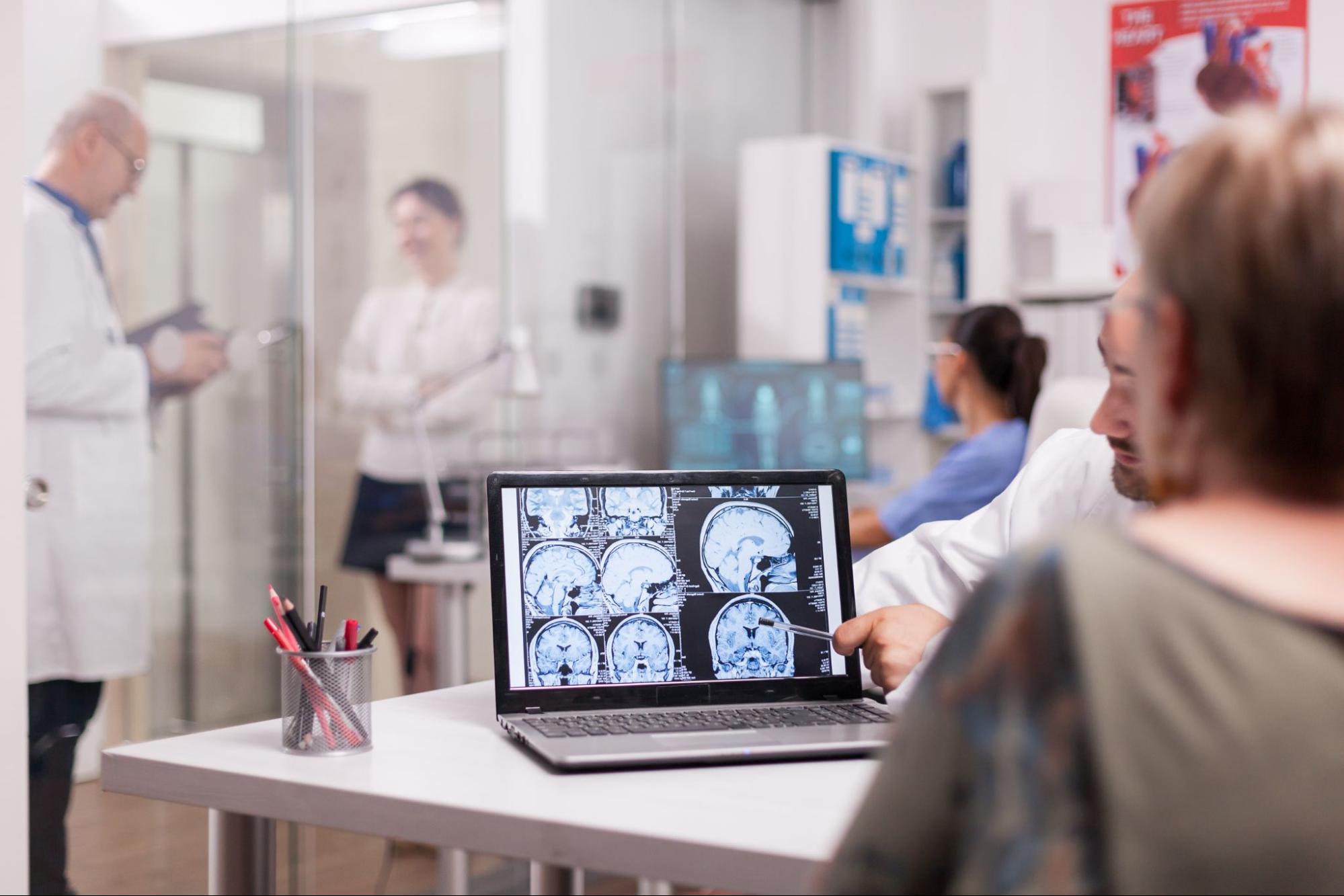
Explore the intricacies of brain tumor, including types, symptoms, diagnosis, and the latest treatment options to manage this complex condition
A brain tumor diagnosis can be overwhelming—but understanding the condition is the first step toward clarity and control. Whether benign or malignant, brain tumor can impact critical functions and quality of life, often presenting with subtle or confusing symptoms.
This article breaks down the complexities of brain tumors in a clear and accessible way, offering insights into early warning signs, diagnostic techniques, and modern treatment options. Whether you're seeking information for yourself or supporting a loved one, this guide empowers you with knowledge to navigate the path forward.
Types of Brain Tumor
Brain tumors consist of abnormal cell growth in or around the brain, and understanding their types is crucial for effective management. There are primarily two classifications: malignant and benign brain tumors.
Malignant Brain Tumors are cancerous, often characterized by rapid growth and invasiveness. Examples include glioblastomas, which are aggressive and typically associated with a poor prognosis due to their swift progression. These tumors arise from glial cells, which support and protect neurons.
In contrast, Benign Brain Tumors are noncancerous and generally grow slowly, posing less immediate risk. Common examples include meningiomas and pituitary adenomas. They can still significantly impact health, especially if they exert pressure on surrounding brain structures, leading to various symptoms. Understanding the differences between these tumor types is essential for determining treatment strategies; malignant tumors require aggressive intervention, while benign tumors often need careful monitoring.
Symptoms of Brain Tumor

Detecting brain tumor often involves recognizing specific symptoms, which may vary according to tumor size and location.
Headaches and Other Symptoms
One of the most common brain tumor symptoms is persistent headaches, particularly those worsening with coughing or straining. Alongside headaches, patients may also experience nausea, vision changes, or balance issues. These distressing indicators oftentimes necessitate immediate medical evaluation for effective diagnosis and treatment.
Behavioral Changes
Tumors affecting the frontal lobe frequently result in notable behavioral changes. Affected individuals may display altered personality traits, increased forgetfulness, or a general lack of interest in activities previously enjoyed. Such changes not only affect the individual but also deeply impact their relationships, often making it crucial to approach neuro-health with comprehensive awareness and understanding of symptoms related to brain tumors.
Diagnosis of Brain Tumor
The diagnosis of brain tumors is a critical process, relying on comprehensive methodologies to ensure accuracy. The assessment begins with a neurological examination, where physicians evaluate vision, hearing, balance, coordination, strength, and reflexes. Changes in these areas often suggest potential tumor presence.
Imaging Techniques
Imaging techniques play a pivotal role in diagnosing brain tumors, with MRI (Magnetic Resonance Imaging) and CT (Computed Tomography) scans being the most commonly used. An MRI employs magnetic fields and radio waves to capture detailed brain images, which can reveal abnormal growths. Meanwhile, a CT scan uses X-ray technology to create cross-sectional images, aiding in the identification of tumors. Together, these imaging methods provide essential insights into brain tumor characteristics.
Pathological Examination
Once a tumor is detected, a biopsy is typically performed to ascertain its type. This procedure involves removing a small tissue sample for laboratory analysis, determining whether the tumor is benign or malignant. Moreover, specialized lab tests on tumor cells deliver vital information regarding their composition and behavior, guiding healthcare professionals in formulating a tailored treatment plan. Accurate diagnosis is crucial for effective intervention in cases of brain tumors.
Treatment Options for Brain Tumor
Treatment options for brain tumors are multifaceted, adapting to the specific tumor type, size, and location. The primary objective often involves surgical intervention to excise as much tumor mass as possible while preserving adjacent healthy tissue.
Surgical Interventions
Surgery remains the most common approach for brain tumor treatment, enabling direct removal of tumor cells. The effectiveness of this method heavily depends on tumor accessibility and overall patient health.
Radiation and Chemotherapy
Radiation therapy harnesses high-energy rays to target and eradicate tumor cells, with advanced techniques like intensity-modulated radiation therapy (IMRT) enhancing precision. Chemotherapy complements this approach by utilizing drugs to halt cancer cell proliferation, administered either orally or intravenously. Moreover, innovative techniques such as stereotactic radiosurgery, ablation therapy, and targeted therapy provide additional options, focusing on tumor destruction while minimizing damage to surrounding tissue. Collaboration with healthcare providers is essential in determining the most suitable treatment pathway for brain tumor patients.
Conclusion of Brain Tumor
Brain tumors, whether malignant or benign, demand precise diagnosis and tailored treatment strategies, significantly impacting patient outcomes. Malignant tumors like glioblastomas require aggressive intervention due to their rapid growth, often involving surgery, radiation, and chemotherapy.
In contrast, benign tumors, such as meningiomas, necessitate monitoring and potential surgical removal, especially when they affect brain function. Diagnosis relies heavily on neurological exams and imaging techniques like MRI and CT scans, supplemented by biopsies for accurate classification. Prognosis varies, with malignant tumors posing greater treatment challenges but advancements in diagnostic and therapeutic methods offer hope.
Ultimately, understanding these tumors' complexities is vital for effective management and improved quality of life for patients.
 จังหวัดไหนของไทย กำลังถูกมองว่าเป็นอนาคตความเจริญรุ่งเรืองของไทย
 "เมือง"ที่อากาศเย็นกำลังดีตลอดทั้งปี
 บริษัทผลิตรถไถสัญชาติไทย ที่ประสบความสำเร็จและเป็นที่รู้จักมากที่สุด
 พื้นที่จังหวัดที่มาแรงที่สุดในฐานะเมืองหลวงแห่งที่2ของไทย
 กินแล้วอย่าทิ้งเมล็ด! 5 ผลไม้ "ปลูกต่อได้" ในกระถาง เปลี่ยนระเบียงบ้านให้เป็นสวนผลไม้จิ๋ว 🌳🍋
 5 จังหวัด เมืองเกษียณ ที่คนวัย 30+ แห่ไปจองที่ดิน ค่าครองชีพถูก
 3ชนิดต้นไม้ “หน้าบ้าน” ที่เน้นความสวยงามและความเขียวสดตลอดปี
 ผลหวยงวด 16 เมษายน 2569 ออกแล้ว ตรวจครบทุกเลขที่นี่
 จังหวัดที่มีอุตสาหกรรมน้อยมากที่สุดในประเทศ
 สะพานที่ข้ามแหล่งน้ำจืดที่มีความยาวมากที่สุดในประเทศไทย
 จังหวัดไหนในไทย‘ผลิตไฟฟ้าได้เอง’มากที่สุด?”
 สายการบินที่ครองแชมป์โลก
 สละหรือระกำ ทำไมเธอเหมือนกันอย่างก่ะฝาแฝด
 เครื่องบินรบรุ่นสุดทันสมัย ที่กองทัพของไทยต้องการซื้อมากที่สุด
 ไม่ควรกิน"แตงโม"ถ้าอยู่ในคน7กลุ่มนี้!!
 โฆษณา ประชาสัมพันธ์