Insights on Mahouts and Their Role in Elephant Care
เขียนโดย tothemoon555
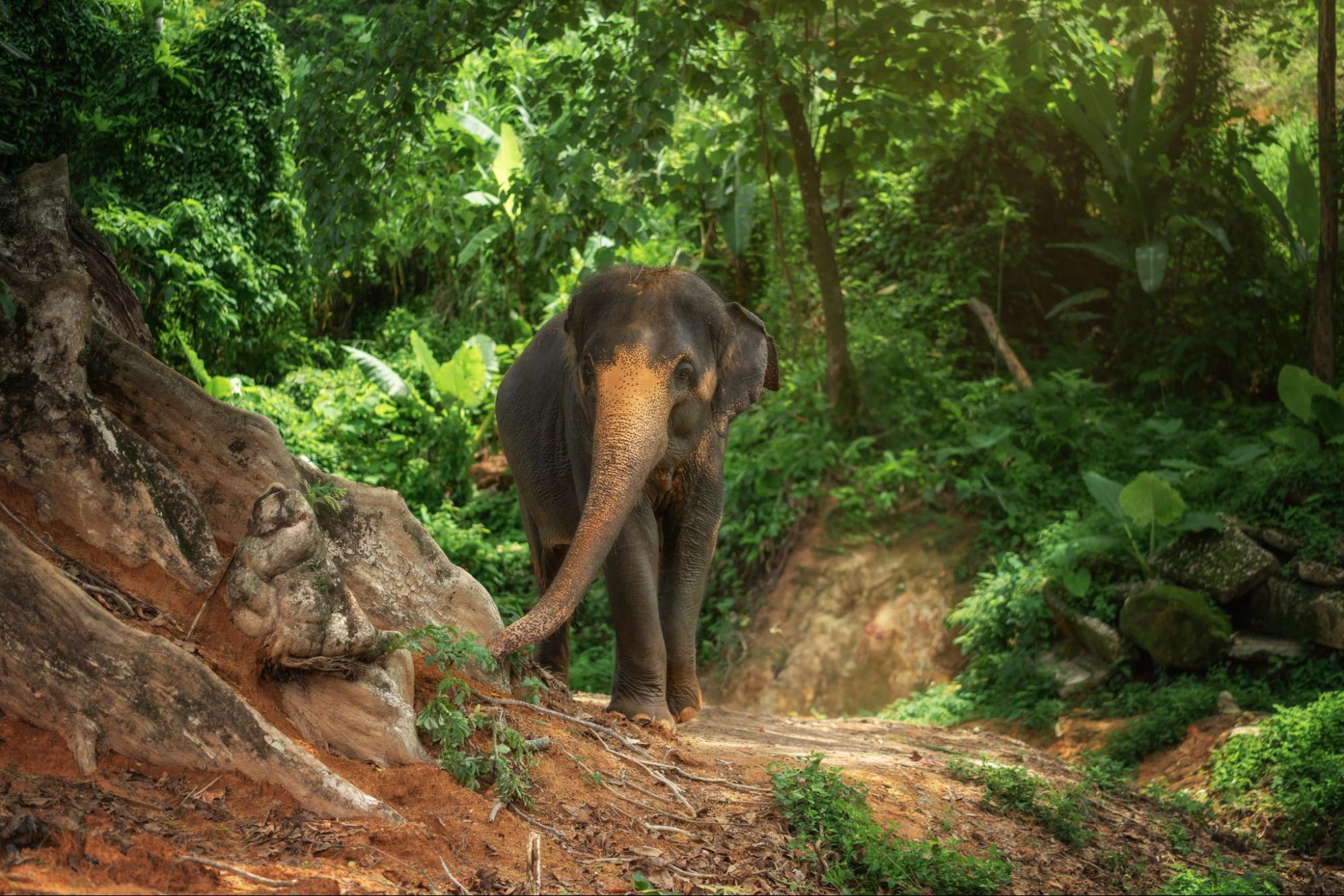
Explore the essential role of mahouts in elephant care, and ethical practices including the use of bullhooks.
Mahouts play a crucial role in the care and management of elephants, serving as the primary caretakers responsible for the health, training, and overall well-being of these majestic creatures. A mahout is an individual who has developed a unique bond with elephants over time and possesses specialized knowledge about their behavior, habitat, and needs. The significance of Mahouts extends beyond mere caretaking; they are integral to the cultural and social dimensions of elephant-related traditions and activities.
The Vital Bond Between Mahouts and Elephants
Mahouts play a critical role in ensuring the well-being of elephants and the safety of human participants. Their responsibilities extend beyond daily care; through grooming and upbringing, they develop a profound understanding of elephant behavior that allows them to proactively manage risks.
Modern discussions emphasize the need to harmonize traditional mahout practices with evolving ethical standards. By prioritizing dignity and compassionate care, mahouts are instrumental in building a sustainable future. This balanced approach protects the welfare of the elephants while preserving their deep cultural legacy for the next generation.
Challenges Faced by Mahouts
Mahouts, the traditional elephant caretakers, face myriad challenges in today’s rapidly changing societal landscape. The relationship between mahouts and elephants is steeped in culture and history, but modern influences pose significant threats to their livelihood and the welfare of the elephants they tend. One of the primary challenges involves the enhanced regulatory environment surrounding elephant care and ownership, driven by increasing global concerns about animal welfare and conservation.
Moreover, the adverse impacts of habitat loss due to urban development and climate change further complicate the challenges for mahouts and elephants alike. As natural habitats shrink, the relationship between mahouts and elephants could become strained, leading to increased human-elephant conflicts. This breakdown not only threatens the safety of mahouts but also places elephants in precarious situations where they may harm or be harmed.
In conclusion, the challenges faced by mahouts and their elephants in contemporary society are multifaceted and complex. Addressing these issues full-scale requires innovative solutions that prioritize both animal welfare and the economic stability of mahouts. Enhancing awareness and promoting sustainable tourism practices are steps towards alleviating these challenges and fostering a positive future for mahouts and elephants.
Impact of Tourism and Elephant Conservation Efforts on Mahout Practices

The intersection of tourism and elephant conservation significantly influences mahout practices, shaping their daily operations and the welfare of the elephants they care for. In recent years, the rising trend of responsible travel has changed the landscape of elephant-related tourism, leading both to challenges and opportunities for mahouts.
Tourism initially served as a lucrative avenue for mahouts, providing essential income through elephant interactions. However, as awareness about elephant welfare grows, tourists are seeking more ethical engagements that emphasize conservation and the intrinsic rights of animals. This shift has pressured mahouts to reevaluate their traditional practices in favor of more humane interactions with elephants.
As a result, many mahouts are now adopting conservation-oriented practices that prioritize the health and well-being of elephants. Programs that promote better training and care for elephants emerge. Such initiatives not only enhance the bond between mahouts and elephants but also contribute to public awareness of conservation efforts.
Moreover, conservation initiatives often come with training and support for mahouts, equipping them with new skills and practices that align with modern expectations. This shift can lead to dual benefits: improved conditions for the elephants and new revenue streams for mahouts through ecotourism. Many mahouts are now pivoting towards guided tours that educate tourists on ethical treatment and the environmental role of elephants.
However, this transition is not without its difficulties. Mahouts may require time and resources to adapt to these new models, and without adequate support, they risk financial instability during the transition. Thus, collaboration between conservation organizations, tourism stakeholders, and local communities is essential to create sustainable frameworks that uplift mahout practices while ensuring the welfare of elephants.
In summary, the impact of tourism and elephant conservation efforts on mahout practices is profound. While challenges exist, there are significant opportunities for mahouts to realign their practices with contemporary ethical standards, fostering sustainable relationships with both tourists and the elephants they care for.
Mahouts as Elephants Caretaker Role
Mahouts, the historically significant caretakers of elephants, face modern challenges due to shifting societal norms and ethical considerations. While their traditional roles focus on care, and training, the rise of global welfare standards demands a shift towards more humane practices.
Ethical tourism and conservation initiatives are creating opportunities for mahouts to adapt, emphasizing education about elephants’ natural behaviors and needs. Nonetheless, economic instability and habitat loss remain pressing issues, potentially affecting their livelihoods and the welfare of elephants. Efforts to address these challenges through sustainable tourism and collaboration with conservation groups are crucial. As mahouts navigate these evolving dynamics, their understanding of the human-elephant relationship continues to play a vital role in shaping future conservation and care efforts.
 5 จังหวัด เมืองเกษียณ ที่คนวัย 30+ แห่ไปจองที่ดิน ค่าครองชีพถูก
 พื้นที่จังหวัดที่มาแรงที่สุดในฐานะเมืองหลวงแห่งที่2ของไทย
 สิบเลขขายดี สลากตัวเลขสามหลัก N3 งวด 16/4/69
 วิเคราะห์เลขตารางทักษาอาจาร์ออร่า งวดวันที่ 16 เมษายน 2569
 ผลหวยงวด 16 เมษายน 2569 ออกแล้ว ตรวจครบทุกเลขที่นี่
 3ชนิดต้นไม้ “หน้าบ้าน” ที่เน้นความสวยงามและความเขียวสดตลอดปี
 เปิดเลขเด่นตำราท้าวเวสสุวรรณ...16 เมษายน 2569
 จังหวัดจับปลาหมึกได้มากที่สุด 5 อันดับแรกของประเทศไทย
 สถานศึกษาที่น่าเรียนที่สุดในประเทศไทย
 "เมือง"ที่อากาศเย็นกำลังดีตลอดทั้งปี
 ที่เที่ยวไทยคนน้อย ฟิวเหมือนไปต่างประเทศ..
 สะพานที่ข้ามแหล่งน้ำจืดที่มีความยาวมากที่สุดในประเทศไทย
 หวยงวด 1 พ.ค. 69 เลื่อนออกวันไหน สรุปชัดวันออกรางวัล
 จังหวัดไหนในไทย‘ผลิตไฟฟ้าได้เอง’มากที่สุด?”
 ได้ยินเสียงก็ขนลุก! “ตุ๊กแก” ตัวลาย กับสกิลโหด กระโดดทีสะดุ้งทั้งบ้าน
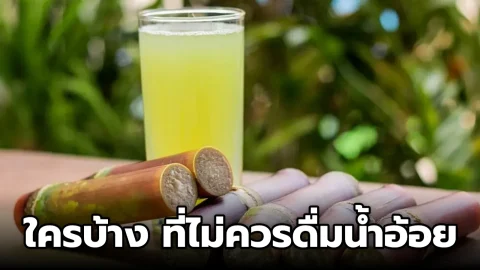 ใครบ้างที่ไม่ควรดื่มน้ำอ้อย
 เครื่องบินรบรุ่นสุดทันสมัย ที่กองทัพของไทยต้องการซื้อมากที่สุด
 ระทึก! ฝูงผึ้งนับหมื่นบุกเมือง “เนติโวต์” อิสราเอล วุ่นทั้งศูนย์การค้า-ชุมชน ยังไร้คำตอบต้นตอ
 โฆษณา ประชาสัมพันธ์
 แชร์ประสบการณ์ตรง! รีโนเวทห้องน้ำพังๆ เพราะปลวกกินวงกบ สู่การจบปัญหาด้วย "วงกบประตู PVC" ตัวตึงที่คนทำบ้านต้องรู้
 ประกันสุขภาพ มีกี่ประเภท รู้จักข้อดี และวิธีเลือกซื้อประกันให้คุ้ม
 เลือกใช้ WeatherBloc เพื่อการก่อสร้างที่ทนทาน ประหยัดพลังงาน
 ลมพิษ เกิดจากอะไร? รู้สาเหตุเบื้องต้นและการรักษาที่เหมาะสม