Comprehensive Insights on Cancer: Causes, and Management
เขียนโดย tothemoon555
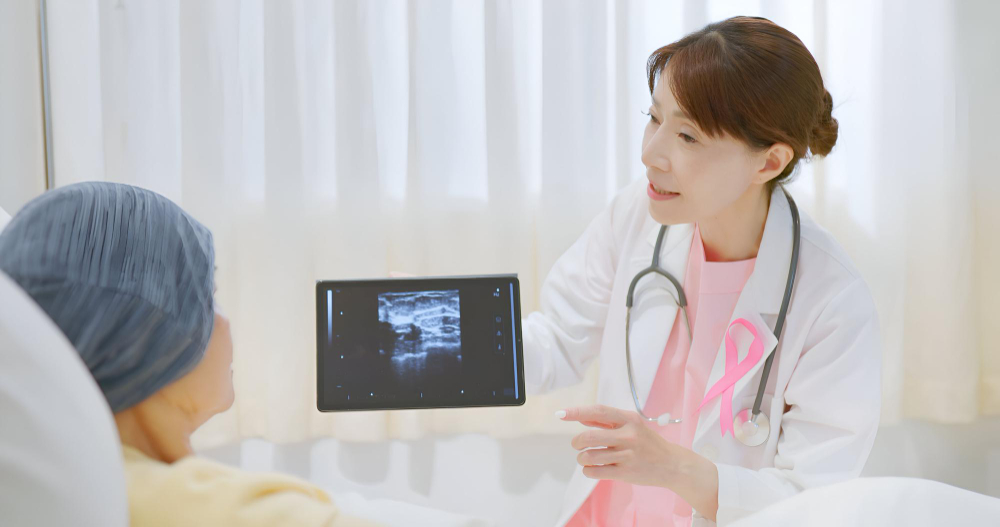
Explore essential information on cancer research, treatment options, prevention strategies, and support resources from trusted organizations.
Cancer is a disease characterized by the uncontrolled growth and spread of abnormal cells within the body. These abnormal cells can invade and destroy normal tissue, with the potential to metastasize to other body regions via the blood and lymph systems. Various types of cancer exist, and their effects represent a significant public health challenge globally.
What is Cancer?
Cancer refers to a group of diseases that can arise in nearly any part of the body and can result in either solid tumors or affect the blood and bone marrow. The differentiating feature of cancer is the uncontrolled proliferation of cells, which leads to the potential destruction of surrounding healthy tissue.
Types of Cancer
- Lung Cancer
- Breast Cancer
- Colon Cancer
- Skin Cancer (including Basal and Squamous Cell)
- Prostate Cancer
Each of these types displays unique characteristics and behaviors, with varying prevalence rates and survival statistics. For example, lung cancer is one of the leading causes of cancer-related deaths worldwide, highlighting the critical need for effective treatment and preventive measures.
Causes and Risk Factors
The study of cancer reveals a myriad of causes and risk factors that contribute to its development, encompassing genetics, environmental aspects, and lifestyle choices.
Genetic Predispositions
Genetic predispositions play a significant role in cancer susceptibility. Certain individuals inherit mutations in specific genes that can directly increase their risk of developing various types of cancer. Notable examples include hereditary cancer syndromes such as Lynch syndrome and Li-Fraumeni syndrome, both of which underscore the influence of genetics on cancer risk. Understanding these genetic factors is crucial in assessing a person's likelihood of developing cancer, and genetic counseling can provide insights into preventive measures.
Environmental Factors
Environmental factors significantly impact cancer development, with pollution, chemicals, and radiation as primary contributors. For instance, prolonged exposure to tobacco smoke, asbestos, and ultraviolet rays is known to heighten cancer risk. Furthermore, occupational hazards and environmental pollutants are also identified as significant risk factors. Evaluating the role of these environmental influences can aid in formulating public health policies aimed at reducing exposure and thus, overall cancer risk.
Several lifestyle habits are equally vital in influencing cancer risk. Tobacco use, for example, is a well-established risk factor for multiple cancers, including lung and throat cancer. Additionally, diet, exercise, and alcohol consumption are intertwined with cancer susceptibility. A balanced diet and healthy lifestyle can be pivotal in mitigating these risks.
Understanding Cancer Pathophysiology
Cancer pathophysiology involves a complex interplay of cellular transformations resulting in malignancy. This evolution occurs through several mechanisms on a cellular level.
Tumor Growth and Metastasis
Cancer commences with genetic mutations that disrupt normal cell function. These mutations typically affect oncogenes and tumor suppressor genes, leading to uncontrolled cell proliferation. As these cancerous cells divide, they acquire additional capabilities allowing them to invade surrounding tissues, leading to tumor formation. Understanding the growth and metastasis of tumors is crucial for developing effective treatment strategies.
Cellular Mechanisms and Genetic Mutations
The intricate pathology of cancer hinges on numerous genetic mutations that promote tumor development. Targeted therapies, which focus on specific mutations driving cancer progression, have emerged as revolutionary approaches in cancer treatment. By recognizing these cellular mechanisms, patients and healthcare providers can better navigate treatment options tailored to individual genetic profiles. This tailored approach is becoming increasingly relevant in the evolving landscape of cancer care, highlighting the importance of integrating cancer genetics into routine practice.
Diagnosis and Screening Techniques

Detection of cancer relies heavily on a variety of diagnostic tests and procedures, guided by specific screening recommendations tailored to factors such as age, gender, and personal risk history. Common diagnostic tests include mammograms for breast cancer, Pap smears and HPV testing for cervical cancer, colonoscopy for colorectal cancer, PSA tests for prostate cancer, and CT scans for lung cancer in high-risk populations.
Effective screening can significantly improve early detection rates. Healthcare providers play a crucial role in advising suitable screening schedules based on individual risk assessments, ensuring timely intervention when needed. Awareness of screening guidelines, such as those issued by health organizations, is vital for proactive health management related to cancer.
Imaging and Biopsies
Imaging techniques like CT scans are fundamental in the diagnostic landscape of cancer. These scans provide detailed images that help identify abnormalities indicative of various cancers. Furthermore, biopsies are performed to obtain tissue samples for microscopic examination, allowing for definitive cancer diagnosis. This combination of imaging and biopsies plays a critical role in confirming a diagnosis of cancer.
Emerging Diagnostic Tools
Innovation continues to drive advancements in cancer diagnostics. Techniques such as liquid biopsies and genetic testing are gaining prominence. Liquid biopsies detect circulating tumor DNA, allowing for non-invasive monitoring of cancer progression and response to treatment. Genetic tests evaluate specific mutations associated with cancer, guiding personalized treatment strategies.
Treatment Modalities
Cancer treatment modalities encompass a wide array of approaches, including surgery, which involves physically removing tumors; radiation therapy, which utilizes high-energy radiation; and chemotherapy, employing drugs to incapacitate cancer cell division. Additionally, immunotherapy is revolutionizing treatment paradigms by enhancing the immune system's ability to combat tumors.
Traditional Treatment Approaches
Traditional treatments such as chemotherapy and radiation have demonstrated efficacy in various cancer types. Case studies have shown that meticulous application of these therapies can lead to significant remission rates. Despite advancements, traditional modalities remain vital components of comprehensive cancer care.
Innovative Therapies
Recent advancements have introduced innovative therapies like targeted therapy, which disrupts specific pathways in cancer cells, and precision medicine, which tailors treatments based on individual genetic profiles. Ongoing clinical trials focus on further refining these approaches, promising improved outcomes for cancer patients. Such innovations herald a new era in cancer treatment, offering hope for more effective and personalized strategies against this complex disease.
Conclusion
Cancer remains a significant challenge due to the aggressive proliferation of abnormal cells that can spread throughout the body, making early detection crucial. Research highlights the pivotal role of genetics, environmental factors, and lifestyle choices in cancer development, underscoring the importance of prevention and awareness. Diagnostics, such as imaging and biopsies, paired with emerging tools like liquid biopsies, enhance early identification, whereas personalized and traditional treatments evolve to improve patient outcomes. Prevention focuses on healthy diets, exercise, and avoiding tobacco, with screenings like mammograms and colonoscopies essential for early detection. Organizations like the American Cancer Society and National Cancer Institute offer invaluable support and resources, fostering community and improving patient care. Education and proactive health management remain key in combating this pervasive disease.
 พื้นที่จังหวัดที่มาแรงที่สุดในฐานะเมืองหลวงแห่งที่2ของไทย
 3ชนิดต้นไม้ “หน้าบ้าน” ที่เน้นความสวยงามและความเขียวสดตลอดปี
 5 จังหวัด เมืองเกษียณ ที่คนวัย 30+ แห่ไปจองที่ดิน ค่าครองชีพถูก
 "เมือง"ที่อากาศเย็นกำลังดีตลอดทั้งปี
 จังหวัดจับปลาหมึกได้มากที่สุด 5 อันดับแรกของประเทศไทย
 ผลหวยงวด 16 เมษายน 2569 ออกแล้ว ตรวจครบทุกเลขที่นี่
 จังหวัดไหนของไทย กำลังถูกมองว่าเป็นอนาคตความเจริญรุ่งเรืองของไทย
 สะพานที่ข้ามแหล่งน้ำจืดที่มีความยาวมากที่สุดในประเทศไทย
 กินแล้วอย่าทิ้งเมล็ด! 5 ผลไม้ "ปลูกต่อได้" ในกระถาง เปลี่ยนระเบียงบ้านให้เป็นสวนผลไม้จิ๋ว 🌳🍋
 สถานศึกษาที่น่าเรียนที่สุดในประเทศไทย
 ที่เที่ยวไทยคนน้อย ฟิวเหมือนไปต่างประเทศ..
 สิบเลขขายดี สลากตัวเลขสามหลัก N3 งวด 16/4/69
 เครื่องบินรบรุ่นสุดทันสมัย ที่กองทัพของไทยต้องการซื้อมากที่สุด
 โฆษณา ประชาสัมพันธ์